Best Portable Power Stations UK 2026: Six Picks Compared
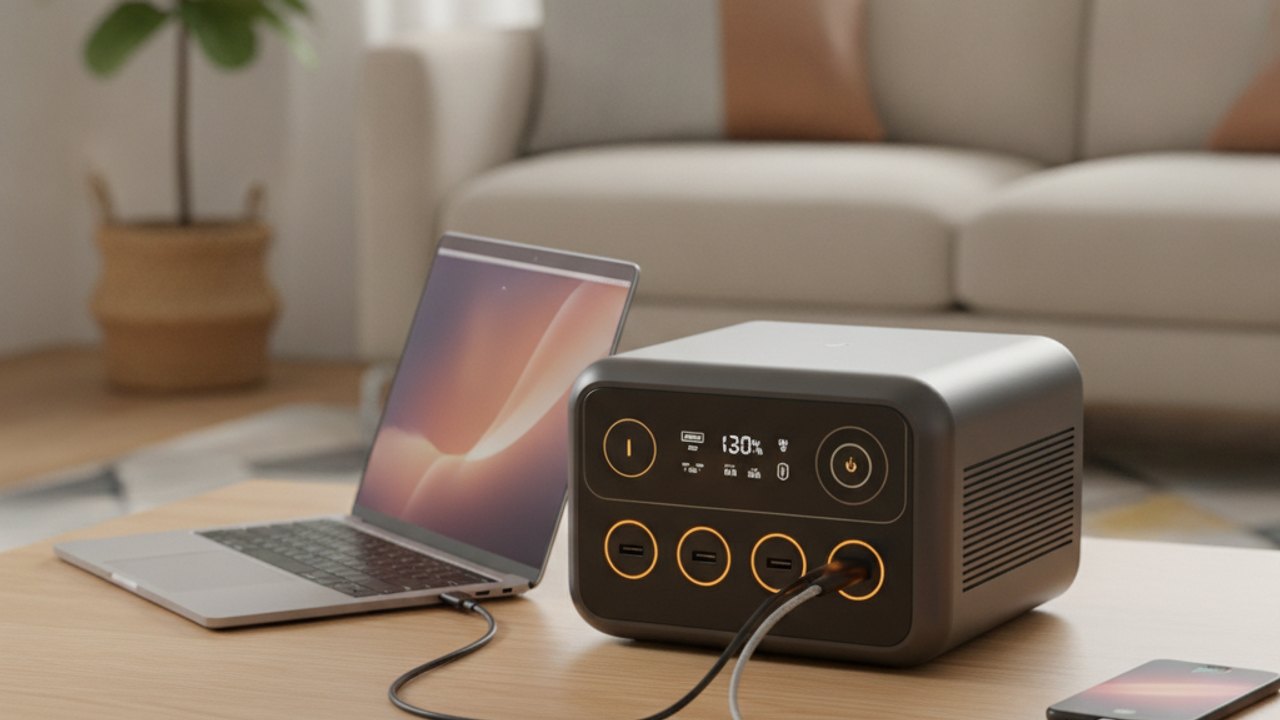
A portable power station is a big rechargeable battery with normal plug sockets on the front, and once you have lived with one it is hard to imagine being without it. It runs the fridge and the router through a power cut, powers tools and a kettle at an allotment or a campsite, charges phones and laptops on a long journey, and paired with a solar panel it quietly tops itself up from daylight. The UK market has exploded, so the honest question is not which one is best but which size and type suits what you actually want to run, because buying too small is frustrating and buying too big is money and weight wasted.
This guide explains the three things that decide which power station suits you, then compares six models genuinely sold on Amazon UK right now, from a grab-and-go unit up to a home-backup powerhouse. No invented lab tests, just the trade offs laid out plainly so you buy the right capacity once.
The Three Things That Actually Matter
Ignore the marketing and look at these three things instead.
- Capacity in watt-hours, matched to what you will run. Capacity is measured in watt-hours (Wh) and tells you how much energy it stores. As a rough guide, around 300Wh keeps phones, a laptop and a router going for a long time, 500 to 1000Wh runs a fridge or small appliances through a power cut, and 1500Wh and up handles heavier or longer use and home backup. Work out the few things you actually want to power and for how long, then buy a size up rather than down, because running low is the main regret.
- Output power in watts, and pure sine wave. Separate from capacity is the output, measured in watts, which decides what you can run at once. A kettle, microwave or power tool can draw 1000 to 2000 watts, so the unit's continuous output rating must exceed what you plug in or it simply cuts out. Look for a pure sine wave inverter, which every unit here has, because it runs sensitive electronics safely. Check the continuous watts, not just the higher surge figure.
- Charging speed, solar, and battery type. How fast it recharges matters, and the newer units refill from the mains in an hour or two rather than overnight. If you want off-grid top-ups, check it accepts a solar panel and how much. Battery chemistry matters too: units using LiFePO4 (lithium iron phosphate) last far more charge cycles and many years longer than older lithium, which is worth paying for if you will use it often. Decide whether you want solar and long life, and buy accordingly.
All Six Picks at a Glance
| Pick | Best for | Rough capacity | Typical price band |
|---|---|---|---|
| Jackery Explorer 300 | Grab-and-go essentials | ~300Wh | £180 to £280 |
| EcoFlow River 2 | Fast charging small unit | ~250 to 300Wh | £180 to £300 |
| Jackery Explorer 1000 | All-round power cut cover | ~1000Wh | £500 to £750 |
| Anker SOLIX C1000 | Fast charge and long life | ~1000Wh | £500 to £800 |
| EcoFlow Delta 2 | Expandable home backup | ~1000Wh, expandable | £600 to £900 |
| Bluetti AC200L | Heavy and long duration use | ~2000Wh | £1,000 to £1,500 |
Bands are typical Amazon UK prices at the time of writing, quoted as ranges because prices move often.
Our Six Picks for 2026
Jackery Explorer 300 Portable Power Station
Best grab-and-go for the essentials
The Explorer 300 is the easy first power station, light enough to carry in one hand and big enough to matter. It keeps phones, a laptop, a camera and a router running for a long time, has a proper mains socket plus USB ports, and Jackery is the brand that made these units mainstream in the UK with a solid reputation. It pairs with a Jackery solar panel for off-grid top-ups. Considerations: at around 300Wh it is for electronics and light loads, not a kettle or a fridge for long, and it uses standard lithium rather than the longer-life LiFePO4 of pricier units. For camping, working from anywhere, or a small power-cut safety net, it is the sensible starting point. Typical band is around £180 to £280.
View on Amazon UKEcoFlow River 2 Portable Power Station
Best small unit for fast charging
The River 2 is EcoFlow's compact unit, and its party trick is charging from flat to full in around an hour from the mains, far quicker than most small stations. It uses long-life LiFePO4 cells, so it lasts for many years of regular use, runs the usual phones, laptops and small devices, and the app gives you full control and monitoring. Considerations: like all small units it is for light loads rather than heavy appliances, and the fast charging is most useful if you top up between trips. For someone who wants a modern, long-lasting small station that refills in minutes not hours, it is excellent value. Typical band is around £180 to £300.
View on Amazon UKJackery Explorer 1000 Portable Power Station
Best all-rounder for power cut cover
The Explorer 1000 is the sweet spot for most homes that want real backup, with around 1000Wh of capacity and enough output to run a fridge, a router, lights and charge everything through a power cut for hours. It is still portable enough to take camping or to an allotment, has multiple mains and USB outputs, and Jackery's ecosystem of solar panels makes off-grid use simple. Considerations: it is a step up in size, weight and price from the small units, and the standard lithium cells, while good, do not match the very longest-life chemistry. For a household that wants a genuine, do-most-things power cut safety net that still travels, it is the natural all-rounder. Typical band is around £500 to £750.
View on Amazon UKAnker SOLIX C1000 Portable Power Station
Best for fast charging and long life together
The Anker SOLIX C1000 combines the two things people most want in a 1000Wh unit: very fast mains charging, often well under an hour, and long-life LiFePO4 cells rated for thousands of cycles. It puts out enough power for most household appliances, has a strong set of outputs, and Anker's build quality and app are excellent. Considerations: it is a premium 1000Wh unit priced accordingly, and getting the fastest charge relies on the higher-power input. For someone who wants a 1000Wh station that both lasts for a decade of use and refills in minutes, it is one of the best-engineered choices going. Typical band is around £500 to £800.
View on Amazon UKEcoFlow Delta 2 Portable Power Station
Best for expandable home backup
The Delta 2 is built for people who might want more later, because it starts at around 1000Wh but accepts add-on batteries to grow its capacity substantially for serious home backup. It charges extremely fast from the mains, uses long-life LiFePO4 cells, runs heavier appliances with its strong output, and the app and solar support are first class. Considerations: the expansion batteries are a further cost, and a full backup setup gets heavy and expensive. For a household that wants to start with solid power cut cover and keep the option to build a proper home backup system, the Delta 2 is the most future-proof choice here. Typical band is around £600 to £900.
View on Amazon UKBluetti AC200L Portable Power Station
Best for heavy and long-duration use
The Bluetti AC200L is the powerhouse of the group, with around 2000Wh of capacity and a high continuous output that runs demanding appliances and keeps essentials going for a long time or through a lengthy outage. It uses long-life LiFePO4 cells, accepts a lot of solar for genuine off-grid living, and can be expanded further. Considerations: it is large and heavy, more a wheel-it-into-place unit than a carry-anywhere one, and it costs accordingly. For an off-grid cabin, a serious home backup plan, or anyone who wants to run big loads for hours, it is the heavy hitter that does not run out. Typical band is around £1,000 to £1,500.
View on Amazon UKWhich One Should You Buy?
Just want the essentials covered? The Jackery Explorer 300 keeps phones, laptops and a router going and travels anywhere, with the EcoFlow River 2 the fast-charging, longer-life alternative.
Want real power cut cover? The Jackery Explorer 1000 is the do-most-things all-rounder, while the Anker SOLIX C1000 adds the fastest charging and longest cell life.
Want home backup or heavy use? The EcoFlow Delta 2 expands into a proper backup system, and the Bluetti AC200L is the 2000Wh powerhouse for big loads and long outages.
Frequently Asked Questions
What can a portable power station actually run?
It depends on the capacity and the output rating. A small 300Wh unit keeps phones, a laptop, a camera and a router going for a long time. A 1000Wh unit runs a fridge, lights, a router and chargers through a power cut for several hours, and can briefly power small appliances. A 2000Wh unit handles heavier loads and much longer durations. The key is that the unit's continuous output in watts must exceed whatever you plug in at once, so a high-draw item like a kettle needs a unit rated above its wattage.
Can I run my fridge during a power cut?
Yes, with a unit of around 1000Wh or more and a sufficient output rating. A typical fridge or fridge-freezer draws relatively little on average but surges when the compressor starts, so you want a station whose output comfortably covers that surge. A 1000Wh unit will keep a fridge cold for several hours, and larger or expandable units extend that considerably. For power cut cover specifically, size up and check the surge rating rather than buying the smallest unit that seems to fit.
Do I need a solar panel?
Only if you want to recharge away from the mains. For home backup and everyday use you simply plug the station into a wall socket, and the newer units refill in an hour or two. A solar panel is worth adding if you camp, live off-grid, or want the unit to top itself up during a long outage using daylight. Check the station accepts solar and how much it can take, then match a panel to it. For most home buyers, mains charging alone is plenty.
What is LiFePO4 and is it worth it?
LiFePO4, or lithium iron phosphate, is a battery chemistry that lasts far longer than the older lithium used in cheaper units, often rated for thousands of charge cycles and many years of regular use rather than hundreds. It is also very safe and stable. If you will use the power station often, paying more for a LiFePO4 unit like the EcoFlow, Anker or Bluetti models pays off over its life. For occasional camping use, a standard lithium unit is still fine and lighter on the wallet.
How long do they take to recharge?
It varies a lot by model, and it is one of the biggest differences between older and newer units. The latest EcoFlow, Anker and Bluetti stations charge from the mains in around one to two hours, sometimes less, while older or budget units can take five hours or more. Fast charging matters if you top up between trips or want to refill quickly during a break in an outage. Check the stated mains charge time, as a quick refill genuinely changes how usable the unit feels day to day.