Best Air Purifiers UK 2026: Six Picks Compared
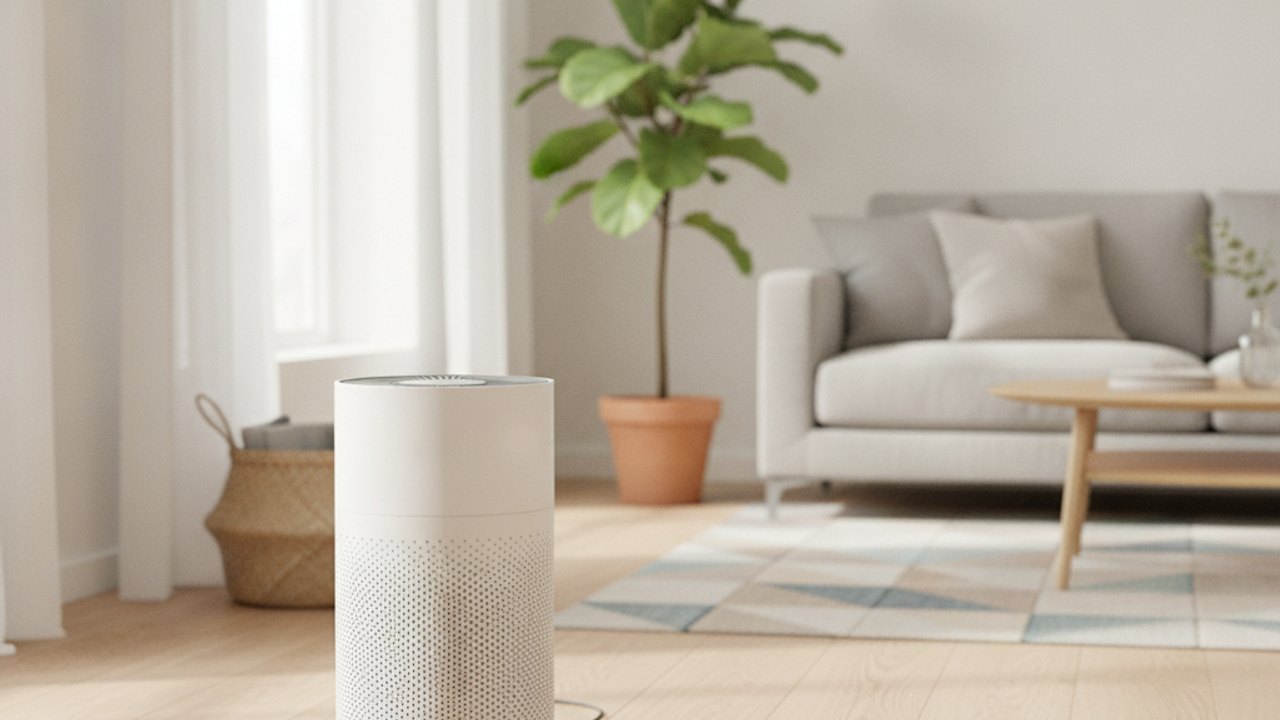
An air purifier earns its keep in a British home for reasons that have nothing to do with fashion. Hay fever season is brutal, city air carries traffic particles indoors, older homes trap dust and pet dander, and damp winters bring the kind of stale air that a purifier genuinely clears. The catch is that the category is full of gadgets that light up and hum but move very little air, so the honest question is not which one looks cleverest but which one actually filters the size of room you want to use it in, quietly enough that you leave it running.
This guide explains the three things that decide whether a purifier will do the job, then compares six models genuinely sold on Amazon UK right now, from a compact bedroom unit up to a premium purifier that doubles as a fan. No invented lab tests, just the trade offs laid out plainly so you buy the right size once.
The Three Things That Actually Matter
Ignore the marketing about ionisers and mood lighting, and look at these three things instead.
- CADR and room size. The single number that matters is the clean air delivery rate, or CADR, because it tells you how fast the unit actually filters a room. A purifier rated for a large lounge will clear a small bedroom several times an hour, while a small unit in a big room barely keeps up. Match the rated room size to your actual room and then go one size up rather than down, because manufacturers quote the maximum room it can handle at full noisy speed, not the size it clears comfortably and quietly. Getting this right matters more than any other feature.
- A true HEPA filter, and what the filters cost. Look for a genuine HEPA filter, ideally H13, which captures the fine particles that carry pollen, dust and smoke. Just as important is the running cost, because every purifier needs replacement filters every six to twelve months, and some brands charge a lot for them. A cheap machine with pricey filters can cost more over three years than a dearer one with affordable filters, so check the filter price before you buy, not after.
- Noise, because a purifier you turn off does nothing. The whole point is to leave it running, especially overnight in a bedroom, so quiet operation at low and medium speed is what makes a purifier useful rather than annoying. Look for a low decibel figure on the quiet setting and a proper night mode that dims the lights and drops the fan. A powerful purifier that is only bearable on its lowest, weakest setting is the wrong purifier for a bedroom.
All Six Picks at a Glance
| Pick | Best for | Room size | Typical price band |
|---|---|---|---|
| Levoit Core 300S | Most bedrooms | Small to medium | £70 to £110 |
| Levoit Vital 200S | Living rooms and pets | Medium to large | £130 to £190 |
| Philips Series 800 | Simple budget option | Small to medium | £70 to £120 |
| Blueair Blue Pure 511i | Quiet running | Small to medium | £100 to £160 |
| MeacoClean CA-HEPA 76x5 | Allergies and larger rooms | Large | £150 to £210 |
| Dyson Purifier Cool | Purifier and fan in one | Medium to large | £350 to £600 |
Bands are typical Amazon UK prices at the time of writing, quoted as ranges because prices move often.
Our Six Picks for 2026
Levoit Core 300S Air Purifier
Best for most bedrooms
The Core 300S is the purifier most people should buy first, because it does the fundamentals well and costs sensibly. It uses a genuine H13 HEPA filter, clears a typical bedroom several times an hour, runs quietly enough to sleep next to on its low and sleep settings, and the app and voice control are a genuine convenience rather than a gimmick. Replacement filters are reasonably priced, which keeps the long term cost down. Considerations: it is sized for small and medium rooms, so a large open lounge needs the bigger Vital model instead, and the cylindrical design pulls air from all sides so it wants a little space around it rather than tucked in a corner. For a bedroom, a study or a nursery, it is the value benchmark the others are judged against. Typical band is around £70 to £110.
View on Amazon UKLevoit Vital 200S Air Purifier
Best for living rooms and pet homes
The Vital 200S is the step up for bigger rooms and homes with pets, and it is built around a higher airflow and a filter designed for pet hair and dander. It clears a family lounge quickly, has a proper pet mode, and the front to back airflow means it can sit against a wall unlike the all-round Core, which suits a living room better. The app, scheduling and air quality sensor are all sensible. Considerations: it is larger and pricier than the Core, so it is overkill for a small bedroom, and running it on its highest setting in a big room is audible, though the whole point is that it does not need to on auto. For a living room, a home with a dog or cat, or anyone whose main space is open plan, it is the right size. Typical band is around £130 to £190.
View on Amazon UKPhilips Series 800 Air Purifier
Best simple budget option
The Philips Series 800 is for the person who wants clean air without an app, a subscription or a learning curve. It is a straightforward purifier with a real HEPA filter, a clear air quality light that turns from blue to red so you can see it working, and simple button control with an auto mode that ramps up when the air is poor. It is well built in the way Philips appliances tend to be. Considerations: it lacks the app control, scheduling and voice features of the Levoit models, its rated room size is on the smaller side, and Philips replacement filters are a genuine ongoing cost to check. For a bedroom or study where you want set and forget simplicity from a trusted brand, it is an easy recommendation. Typical band is around £70 to £120.
View on Amazon UKBlueair Blue Pure 511i Air Purifier
Best for quiet running
Blueair built its reputation on moving a lot of air with very little noise, and the Blue Pure 511i is the model that brings that to a sensible price. It pairs a HEPA filter with the brand's electrostatic approach, which lets it clear a room at low fan speeds that stay genuinely quiet, and the washable pre-filter sleeve comes in different colours so it doubles as something you do not mind seeing. The app reports air quality clearly. Considerations: the main filters are a running cost like any purifier, the coloured pre-filter is a nice touch but an extra if you want a spare, and it is sized for small to medium rooms rather than a large lounge. For a bedroom where silence matters most, it is the quiet specialist. Typical band is around £100 to £160.
View on Amazon UKMeacoClean CA-HEPA 76x5 Air Purifier
Best for allergies and larger rooms
Meaco is a British brand that built its name on dehumidifiers and applied the same no nonsense engineering to air purifiers. The CA-HEPA 76x5 uses a true H13 HEPA filter with a carbon layer for odours, moves a lot of air for allergy sufferers, and has a genuinely quiet night mode with the lights off, which is exactly what Meaco understands its customers want. It is rated for larger rooms than most purifiers at the price. Considerations: it is a plainer, more functional design than the Levoit and Dyson units, it does not have app control, and it is a physically larger unit that needs floor space. For a hay fever household, a larger living room, or anyone who values British support and a big true HEPA filter, it is the sensible allergy pick. Typical band is around £150 to £210.
View on Amazon UKDyson Purifier Cool Air Purifier and Fan
Best purifier and fan in one
The Dyson Purifier Cool is the premium pick that earns its price by being two appliances in one, filtering the air all year and working as a bladeless cooling fan in summer. It has a sealed HEPA and carbon filter system, a detailed air quality readout on the unit and in the app, and the design is unmistakable and genuinely well engineered. For a home that wants one striking appliance that purifies and cools, it is compelling. Considerations: it costs several times what an equivalent purifier does, the Dyson replacement filters are a real premium ongoing cost, and as a purifier alone the airflow is good rather than class leading for the money. For someone who values the fan function, the design and the Dyson ecosystem, and has the budget, it is the flagship. Typical band is around £350 to £600.
View on Amazon UKWhich One Should You Buy?
Want the best value for a bedroom? The Levoit Core 300S does the fundamentals well, runs quietly and keeps filter costs sensible, which is why it is the default recommendation for most rooms.
Have a living room or pets? The Levoit Vital 200S has the airflow and the pet filter for bigger spaces, and the MeacoClean CA-HEPA 76x5 is the allergy specialist for larger rooms.
Want quiet, simple or premium? The Blueair Blue Pure 511i is the quiet choice, the Philips Series 800 the simple no app option, and the Dyson Purifier Cool the premium purifier and fan in one.
Frequently Asked Questions
Do air purifiers actually help with hay fever and allergies?
Yes, when they are the right size for the room and run continuously. A true HEPA filter captures the pollen, dust and pet dander that trigger allergies, and running a correctly sized purifier in the bedroom overnight during hay fever season genuinely reduces the particle load you breathe while you sleep. The key is matching the purifier to the room and leaving it on, rather than switching it on for an hour when symptoms are already bad. It is not a cure, but for many allergy sufferers it makes a real difference to sleep and comfort.
What size air purifier do I need for my room?
Match the purifier's rated room size to your actual room, then go one size up rather than down. Manufacturers quote the largest room a unit can handle at full, noisy speed, so a purifier rated exactly for your room size will only clear it well on its loudest setting. Buying one rated for a larger room means it clears your space quickly and quietly on a lower setting, which is what you actually want day to day. Measure the room, check the rating, and err on the generous side.
How often do I need to replace the filter, and what does it cost?
Most HEPA filters last six to twelve months depending on use and air quality, and this ongoing cost varies a lot between brands. Before buying, check the price of the replacement filter, because a cheap machine with expensive filters can cost more over three years than a dearer one with affordable filters. Some models have a washable pre-filter that extends the main filter's life. Running the purifier on auto rather than full time on high also helps the filter last longer.
Should I leave an air purifier running all the time?
For the best results, yes, ideally on an auto setting that ramps up when the air is poor and idles when it is clean. Air quality changes through the day with cooking, cleaning, open windows and outdoor pollution, so a purifier that runs continuously on auto keeps the air consistently clean for very little electricity. This is why quiet running matters so much: a purifier you leave on does the job, while one so loud you keep switching it off does almost nothing.
Do I need the ioniser or UV features some purifiers advertise?
No, the HEPA filter does the real work. Ionisers and UV lights are marketing extras that add little for most homes, and some ionisers produce small amounts of ozone, which you do not want, so many people leave them switched off. Focus your money on a genuine HEPA filter, the right room size and quiet running, which are the three things that decide whether a purifier actually cleans your air, and treat any ioniser or mood lighting as a bonus rather than a reason to buy.