Best Noise Cancelling Headphones UK 2026: Six Premium Pairs Compared
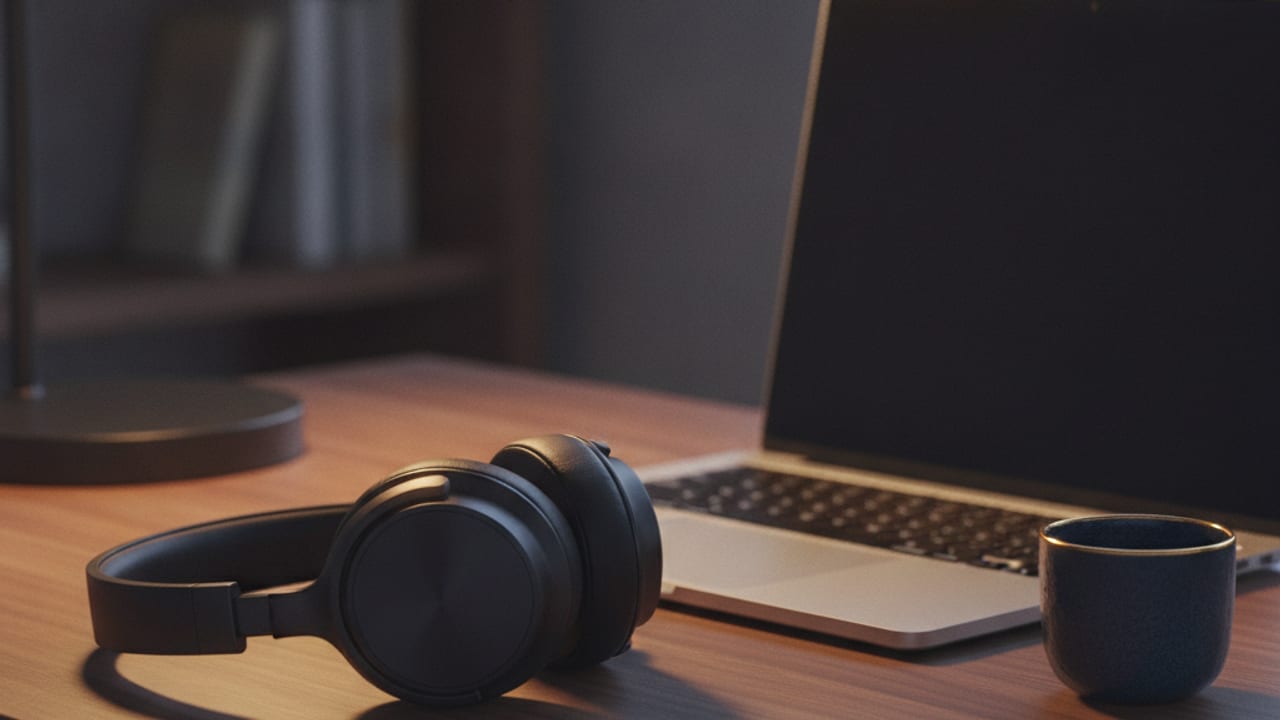
Noise cancelling headphones have quietly become office equipment. Whether the noise is a neighbour's extension build, a partner's video calls through a stud wall, or the general roar of a train into Manchester or London, the ability to switch the world off and think has real value, and UK home workers have voted with their wallets. The technology has matured to the point where the top five or six pairs are separated less by how much noise they remove and more by comfort, call quality, battery life and how well they fit the phone and laptop you already own.
A word on scope before the picks: this is a premium guide, deliberately. Plenty of noise cancelling pairs sell for £60 to £90 from brands like Anker and JBL, and they are respectable for the money, but the step up in cancellation depth, comfort and microphone quality between that bracket and the £200 plus class is the single biggest jump in the whole category. Cheaper pairs exist, and if the budget is firm they are not a disaster, but this guide covers the pairs where the technology properly delivers, which in 2026 starts at around the £200 mark and runs to £500.
What to Judge Beyond the Noise Cancelling
Every pair here cancels noise well. These four factors are what actually separate them in daily use.
- The type of noise you need gone. Active cancellation is superb against constant low frequency sound: engines, fan hum, traffic rumble. It is weaker against voices and sudden sounds, where the earcup's physical seal does more of the work. If your enemy is a chatty household rather than a commute, prioritise pairs known for strong passive isolation and voice band performance rather than headline cancellation figures.
- Comfort across a full working day. Clamping force, weight and earpad depth decide whether a pair disappears after hour three or becomes a headache. Lighter is not automatically better; distribution matters, and glasses wearers should pay particular attention to pad softness because arms breaking the seal also lets noise leak in.
- Microphone quality for calls. Home working has made this a first order feature. Some superb listening headphones are mediocre on calls in a noisy room, and colleagues will notice before you do. The Bose and Sony flagships currently lead here, with beamforming arrays that strip keyboard clatter and background voices from your outgoing audio.
- Multipoint and ecosystem fit. Connecting to a laptop and phone simultaneously, and switching cleanly when a call lands, is the feature office users end up caring about most. Apple's pair is seamless inside Apple's ecosystem and merely ordinary outside it; the Sony, Bose and Sennheiser pairs handle two devices from any maker. Check the pairing behaviour fits your actual devices before choosing.
All Six Picks at a Glance
| Pick | Best for | Quoted battery (ANC on) | Typical price band |
|---|---|---|---|
| Sony WH-1000XM6 | Best all rounder | ~30 hours | £300 to £400 |
| Bose QuietComfort Ultra | Deepest cancellation | ~24 hours | £350 to £450 |
| Sennheiser Momentum 4 | Sound quality and stamina | ~60 hours | £200 to £280 |
| Apple AirPods Max | Apple ecosystem users | ~20 hours | £420 to £500 |
| Sony WH-1000XM5 | Flagship features for less | ~30 hours | £220 to £290 |
| Bose QuietComfort | Comfort first buyers | ~24 hours | £210 to £290 |
Bands are typical Amazon UK prices at the time of writing, quoted as ranges because prices move often. Battery figures are manufacturer quotes with cancellation switched on.
Our Six Picks for 2026
Sony WH-1000XM6 Wireless Noise Cancelling Headphones
Best all rounder
Sony's 1000X line has been the default recommendation for most of a decade, and the XM6 keeps the crown by fixing the previous model's few complaints. The folding hinges are back, so the headphones collapse properly into a smaller case for a bag, the new processor drives a twelve microphone array that noticeably improves both cancellation and call clarity in busy rooms, and the sound is refined, warm and easily tuned through Sony's app. Multipoint is dependable across laptop and phone, and wear detection, speak to chat and adaptive modes all work without fuss. Considerations: the price at launch positioning is the highest a 1000X model has carried, the earpads still run warmer than Bose's, and XM5 owners have little reason to upgrade. But for a single pair to cover commuting, home working and travel, this is the most complete package on the market. Typical band is around £300 to £400.
View on Amazon UKBose QuietComfort Ultra Headphones
Best pure noise cancellation
If the sole question is which headphones make the world quietest, Bose still owns the answer. The QuietComfort Ultra's cancellation is the deepest in the class, particularly through the voice frequencies that trouble other pairs, which makes it the pick for open plan offices, flat shares and anyone whose noise problem talks back. The Immersive Audio spatial mode is a genuinely pleasant extra for music, comfort is classic Bose with soft pads and gentle clamp, and call quality is excellent. Considerations: quoted battery life trails Sony at around 24 hours and drops further with the spatial mode running, the app has had more than its share of buggy updates, and the sound signature out of the box is pleasant rather than audiophile, needing EQ work to match the Sennheiser for music. For maximum silence per pound, though, this is the one. Typical band is around £350 to £450.
View on Amazon UKSennheiser Momentum 4 Wireless
Best sound quality and battery life
The Momentum 4 is the pair for people who care about music first and silence second. Sennheiser's 42mm drivers deliver the most naturally balanced, detailed sound in this list, the kind that makes familiar albums interesting again, and the quoted 60 hour battery life with cancellation on is roughly double everything else here, which in practice means charging it every couple of weeks rather than every few days. Cancellation is good rather than class leading, multipoint works well, and the understated design suits video calls better than obvious statement headphones. Considerations: the touch controls are easy to trigger accidentally when adjusting the fit, cancellation depth on a plane or train is a clear step behind Bose and Sony, and the headband's fit runs large for smaller heads. Since the newer Momentum 4 pricing settled, it is also the strongest pure value in the premium class. Typical band is around £200 to £280.
View on Amazon UKApple AirPods Max
Best for committed Apple users
Inside Apple's walled garden, nothing else behaves this well. The AirPods Max switch automatically between iPhone, iPad and Mac as your attention moves, spatial audio with head tracking is the best implementation anywhere, and the aluminium and mesh build feels like no other headphones at any price. Cancellation and transparency mode are both top tier, and the transparency in particular is so natural that many owners leave it on all day. The current USB-C model finally retires the Lightning port. Considerations: the price is the highest here, quoted battery of around 20 hours is the lowest, the 385g weight makes itself known in long sessions, and the case remains a design joke Apple refuses to retell. On Android or Windows they demote themselves to ordinary Bluetooth headphones and lose most of their magic, so buy them only if your devices wear the same logo. Typical band is around £420 to £500.
View on Amazon UKSony WH-1000XM5 Wireless Noise Cancelling Headphones
Best flagship features for less
The XM6's arrival did XM5 buyers a favour: a pair that topped this category for three years now sells at a meaningful discount while remaining current, supported and superb. Cancellation is still among the best available, particularly against constant low rumble, the eight microphone call setup remains better than most rivals' newest efforts, and the light 250g build with soft synthetic leather pads is comfortable deep into a working day. The app, multipoint and adaptive sound features are identical in daily feel to the newer model. Considerations: the XM5 does not fold, only lying flat in a comparatively large case, which frequent travellers genuinely dislike, and the XM6's improvements in call quality and voice band cancellation are real if incremental. If those two points do not bother you, this is the smartest value in premium noise cancelling right now. Typical band is around £220 to £290.
View on Amazon UKBose QuietComfort Headphones
Best for comfort first buyers
The standard QuietComfort, without the Ultra badge, is the continuation of the line that made noise cancelling mainstream, and it remains the pair we point at buyers who value comfort and simplicity over feature lists. The clamp is gentle, the pads are deep and soft, the weight is modest, and the cancellation, while a step behind the Ultra, is still ahead of almost everything outside this list. Physical buttons rather than touch surfaces will please anyone who has fought a swipe control in winter gloves, and quoted battery life is a workable 24 hours. Considerations: there is no spatial audio, the sound is Bose's familiar polite tuning rather than anything exciting, and the plastic build, while light, does not feel premium against the Sony or Apple pairs. As the affordable route into proper Bose cancellation, it hits a sensible middle that many buyers will find is all they actually needed. Typical band is around £210 to £290.
View on Amazon UKWhich Pair Should You Buy?
Want one pair that does everything superbly? The Sony WH-1000XM6 is the most complete package of 2026, and the XM5 delivers most of the same experience for noticeably less money if you can live without the folding design.
Silence above all? The Bose QuietComfort Ultra removes more of the world than anything else here, especially voices. The standard QuietComfort gets you most of the way for hundreds less.
Music quality or ecosystem loyalty? The Sennheiser Momentum 4 sounds the best and lasts the longest between charges, while the AirPods Max are unmatched if every device you own is made by Apple.
Frequently Asked Questions
Do noise cancelling headphones block out voices?
Only partially. Active cancellation works best on constant low frequency noise like engines and fans; speech is irregular and sits in frequencies where the earcup seal does more of the work than the electronics. The newest flagships, particularly the Bose Ultra and Sony XM6, have improved noticeably in the voice band, but nothing yet makes a talkative household vanish entirely. Adding quiet background audio over cancellation is the practical fix most owners settle on.
Is it worth paying over £300 for headphones?
For daily users, the honest answer is often yes, but the gap has narrowed. The £200 to £290 tier, where the XM5, Momentum 4 and standard QuietComfort now sit, delivers most of the flagship experience. Above £300 you are paying for the last measure of cancellation depth, better call microphones and newer features. Occasional users should buy from the lower tier; daily commuters and full time home workers will feel the difference.
Can I use these for video calls all day?
Yes, and it is one of the strongest reasons to buy a premium pair. The microphone arrays on the Sony and Bose flagships isolate your voice from keyboard and background noise better than any laptop microphone. Two cautions: wear them loosely or take breaks, because a sealed earcup for eight hours tires anyone, and check your platform's audio settings, since some conferencing apps default to a lower quality headset mode.
Over ear or earbuds for noise cancelling?
Over ear wins for raw cancellation and battery life because bigger cups seal better and hold bigger batteries, and most people find them more comfortable for long stationary sessions. Earbuds win for portability, gym use and summer heat. Plenty of commuters end up owning both, but if you are buying one device primarily for desk work and travel, over ear is the better tool.
How long do premium headphones last?
The mechanical parts commonly outlast five years, and replaceable earpads extend that further. The practical limits are the battery, which loses capacity over hundreds of charge cycles, and software support. Sony, Bose, Sennheiser and Apple all have reasonable records of multi year app and firmware support, which is a genuine advantage over budget brands and worth factoring into the price difference.