Best Dehumidifiers UK 2026: Beat Condensation, Damp and Mould
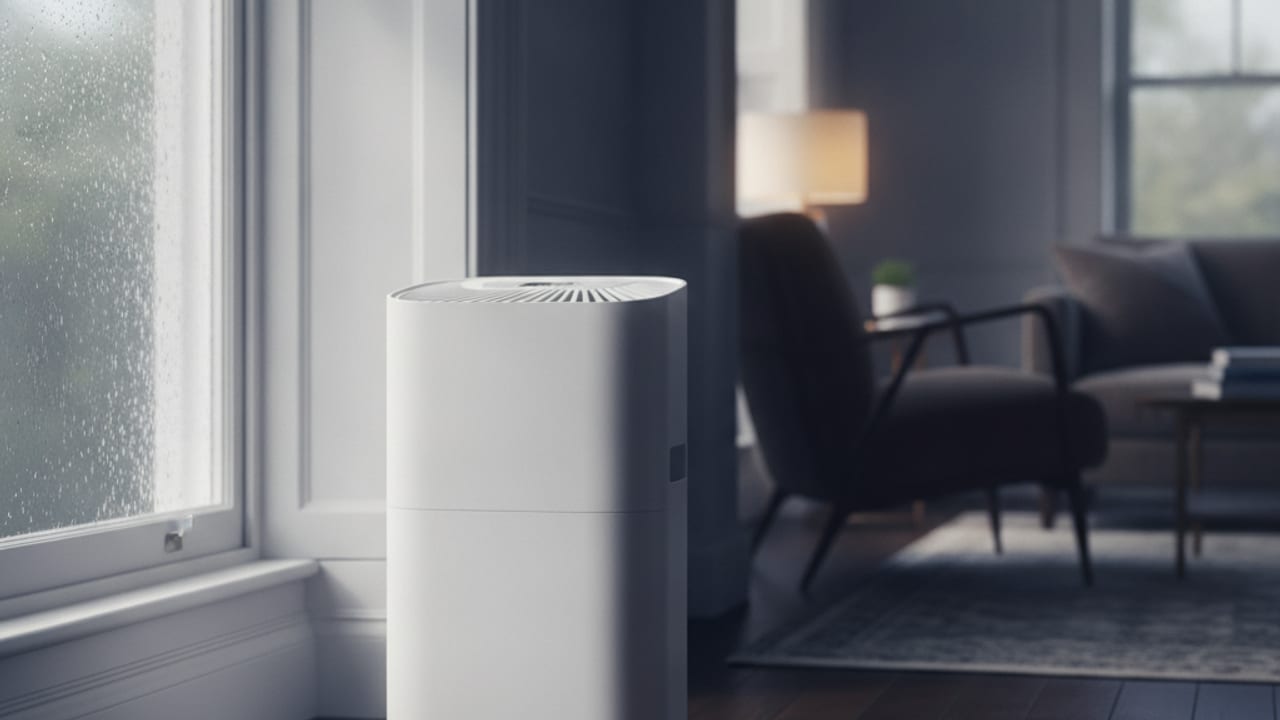
Somewhere around late October, millions of UK homes start the same morning ritual: wiping the bedroom windows down with a towel. British housing stock is old, often solid walled, and increasingly sealed up tight with double glazing and draught proofing, which means the moisture from cooking, showers and drying washing has nowhere to go. It settles on the coldest surfaces it can find, and by January there is a grey bloom of mould in the corner above the wardrobe. A properly sized dehumidifier attacks the cause rather than the symptom, pulling litres of water a day out of the air before it can reach the walls.
One honest note before the picks. There are plenty of small dehumidifiers under £100 on Amazon, and we have deliberately left them out. The tiny thermoelectric units extract a cupful a day at best, which is nowhere near enough for a real condensation problem, and even the cheaper 12 litre compressor machines tend to give up on noise, build or extraction where it counts. Around the £140 mark is where machines from the specialist brands start, with proper humidistats, sensible noise levels and extraction rates that actually win against a damp British winter. Every pick below clears that bar.
Compressor or Desiccant: Get This Right First
Most dehumidifier regret comes from buying the wrong technology for the room, not the wrong brand. Three decisions matter, in this order.
- Match the technology to the temperature. Compressor machines work like a fridge, condensing moisture onto cold coils, and they are the efficient choice in a heated home at 15 degrees and above. Below about 10 degrees their extraction falls off a cliff. Desiccant machines use an absorbent wheel instead, keep extracting in a cold garage or conservatory, run quieter, and blow out slightly warmed air, but they use more electricity per litre in a warm room. Heated living space: compressor. Unheated space: desiccant. That one sentence prevents most bad purchases.
- Size by litres per day, and round up. Ratings describe extraction under test conditions, so treat them as comparative rather than literal. A 10 to 12 litre machine suits one problem room, 20 litres is the sweet spot for a whole family house with condensation, and 25 to 30 litres is for drying out after a leak, a chronically damp property or plastering work. An undersized machine runs flat out around the clock and still loses, which costs more in electricity than running a bigger unit gently.
- Insist on a proper humidistat and a laundry mode. A good machine holds the house at a target humidity, typically 50 to 55 percent, switching itself on and off as needed, so it sips power for most of the winter. The laundry setting, which runs the unit continuously at full tilt, will dry a washing load overnight in a closed room and is the feature owners end up using more than any other. Tank size and a continuous drain option matter if you will run it somewhere you rarely visit.
All Six Picks at a Glance
| Pick | Type | Best for | Typical price band |
|---|---|---|---|
| MeacoDry Arete One 20L | Compressor | Whole house condensation | £190 to £260 |
| Pro Breeze 30L Premium | Compressor | Heavy damp, drying out | £180 to £260 |
| EcoAir DD1 Simple | Desiccant | Cold and unheated spaces | £150 to £210 |
| De'Longhi Tasciugo AriaDry | Compressor | Refined pick for living areas | £180 to £280 |
| Duux Bora Smart 20L | Compressor | App control, modern homes | £170 to £230 |
| MeacoDry Arete One 10L | Compressor | Bedrooms and flats | £140 to £190 |
Bands are typical Amazon UK prices at the time of writing, quoted as ranges because prices move often.
Our Six Picks for 2026
MeacoDry Arete One 20L Dehumidifier
Best for whole house condensation
Meaco is a British company that does nothing but air treatment, and the Arete One range is what happens when a specialist designs for UK homes specifically rather than adapting a generic global product. The 20 litre model is the one for a typical three bed house with streaming windows: strong extraction, an accurate humidistat that holds your target and then goes quiet, and noise levels low enough that running it on a landing overnight is genuinely unobtrusive. It carries Quiet Mark accreditation, has a proper laundry mode, and Meaco's UK based support and spares availability are a real point of difference in a category full of faceless imports. Considerations: it is priced above the value brands and the tank, while reasonable, will need emptying daily during a heavy drying week, though a continuous drain hose connection solves that for permanent installs. Typical price band is around £190 to £260.
View on Amazon UKPro Breeze 30L Premium Dehumidifier
Best for heavy damp and drying out
Some jobs are beyond a polite domestic machine: a house that has had a leak, a chronically damp solid walled property, fresh plaster that needs help through a cold month. Pro Breeze's 30 litre unit is the affordable route to that kind of capacity, moving serious volumes of water with a big tank, a continuous drain option and castors so it can follow the problem from room to room. Landlords and anyone doing up an older property will get particular value from it, because it does in days what smaller machines chip away at for weeks. Considerations: it is a large, workmanlike box rather than a lounge ornament, it is audible when working hard, and in a normal heated home without a serious moisture problem it is simply more machine than you need, where the Meaco 20L is the better daily companion. Typical price band is around £180 to £260.
View on Amazon UKEcoAir DD1 Simple Desiccant Dehumidifier
Best for cold and unheated spaces
Put a compressor machine in a 7 degree garage and it will sit there doing very little; this is the problem the DD1 Simple exists to solve. As a desiccant unit it extracts just as happily at low temperatures, which makes it the right choice for garages, conservatories, caravans, boats and that unheated spare room where the damp always starts. It is light enough to carry one handed, quieter than compressor rivals, and the air it puts out is a few degrees warmer than the air it takes in, a genuinely welcome side effect in a cold workshop. EcoAir has specialised in desiccant machines in the UK for years and it shows in the simple, robust control layout. Considerations: run in a warm living room it will cost more per litre extracted than a compressor machine and the warm air output becomes a downside in summer, so buy it for the cold spaces it was designed for. Typical price band is around £150 to £210.
View on Amazon UKDe'Longhi Tasciugo AriaDry Dehumidifier
Best refined pick for living areas
If the dehumidifier is going to live in plain sight in a lounge or open plan kitchen, build quality and manners start to matter as much as extraction. De'Longhi's AriaDry line brings the polish you would expect from the brand: tidy styling, clear controls, a well designed tank that does not slop water on the way to the sink, and smooth, even running that fades into the background of a lived in room. Extraction is strong in normal heated conditions, and the laundry function handles the winter washing cycle well. Considerations: you are paying a premium for refinement rather than raw capacity, so a serious damp problem is better served by the Pro Breeze 30L, and like all compressor machines it is not the tool for an unheated space. As the machine you will actually be happy to have running in the room you sit in, it earns its place. Typical price band is around £180 to £280.
View on Amazon UKDuux Bora Smart 20L Dehumidifier
Best for app control and modern homes
Duux is a Dutch brand with a knack for making air appliances that do not look like white goods, and the Bora is its 20 litre compressor machine with wifi control built in. The app angle is more useful on a dehumidifier than it first sounds: you can check the humidity in the house from work, set schedules around cheap rate electricity, and switch to laundry mode as you load the airer without touching the machine. Extraction and tank size are competitive with the mainstream 20 litre class, and the dark, softened design sits better in a modern interior than the usual white plastic slab. Considerations: the app requires the usual account setup and adds nothing if you just want a machine that holds 50 percent humidity on its own, and Duux's UK support network is smaller than Meaco's. For a connected home where everything else is already on the phone, it is the natural fit. Typical price band is around £170 to £230.
View on Amazon UKMeacoDry Arete One 10L Dehumidifier
Best for bedrooms and flats
Not every damp problem needs a whole house machine. For a flat, a single condensation prone bedroom or a small terrace, the 10 litre Arete One brings everything that makes its bigger sibling excellent, the accurate humidistat, the laundry mode, the class leading quietness, in a smaller, cheaper package. It is the pick for light sleepers in particular, because it is one of very few dehumidifiers genuinely unobtrusive enough to run in the room you are sleeping in, which is exactly where winter condensation is usually worst. Considerations: asked to dry a whole damp house it will run constantly and fall behind, and its tank is naturally smaller, so match it honestly to a one or two room problem. Cheaper 10 and 12 litre machines exist from the budget brands, but this is where the quality starts, and the difference shows up every night at bedtime. Typical price band is around £140 to £190.
View on Amazon UKWhich One Should You Buy?
Streaming windows through a normal family house? The MeacoDry Arete One 20L is the pick, and the one we would buy ourselves: quiet, accurate and built for exactly this problem. The Duux Bora offers similar capacity with app control if that appeals more.
Cold garage, conservatory or unheated room? Only a desiccant machine makes sense, and the EcoAir DD1 Simple is the best of them here. A compressor unit in a cold space is money spent on a machine that mostly idles.
Drying out a property or fighting serious damp? Capacity wins: the Pro Breeze 30L Premium moves the most water per pound of anything in this list. For one damp bedroom, go the other way and take the quiet little Arete One 10L.
Frequently Asked Questions
Where should I put a dehumidifier?
Close to where the moisture is made or where it shows, with the doors of that area closed so the machine is not trying to dry the whole street. Landings work well for whole house condensation because air circulates through bedrooms overnight. For laundry, put the machine in the room with the airer and shut the door. Leave a hand's width of clearance around the intake and outlet so air can actually move through it.
How much does a dehumidifier cost to run?
A 20 litre compressor machine typically draws in the region of 150 to 250 watts while extracting, which at around 27p per kilowatt hour works out at roughly 4p to 7p an hour. The real saving comes from the humidistat: once the house reaches the target humidity the machine idles, so most winter days it runs only a few hours in total. Drier air also feels warmer at the same temperature, which lets many households ease the heating back slightly.
Will a dehumidifier get rid of mould?
It removes the cause, not the existing growth. Keeping indoor humidity around 50 to 55 percent starves mould of the moisture it needs, so cleaned areas stay clean instead of blooming back every few weeks. Kill and clean the existing patches first with a proper mould treatment, then let the dehumidifier stop the cycle repeating. If mould keeps returning to the same cold external wall, that points at insulation or a leak, which no appliance fixes.
Can I dry washing with a dehumidifier instead of a tumble dryer?
Yes, and it is one of the cheapest ways to dry clothes indoors. Load an airer in a small closed room, set the machine to its laundry or continuous mode, and a spun load is typically dry overnight. It uses a fraction of the energy of a condenser dryer cycle, is kinder to clothes, and crucially it captures the moisture in the tank rather than letting it soak into your walls and windows.
Should I just use ventilation instead?
Ventilation and dehumidification work together rather than competing. Extractor fans in bathrooms and kitchens dump moisture at the source and are the first thing to get right. But ventilating in a British winter means swapping warm damp air for cold outside air, which costs heating, and many older homes cannot ventilate their way out of a condensation problem. The dehumidifier deals with the moisture you cannot vent away.