Best Robot Lawn Mowers UK 2026: Six Picks Compared
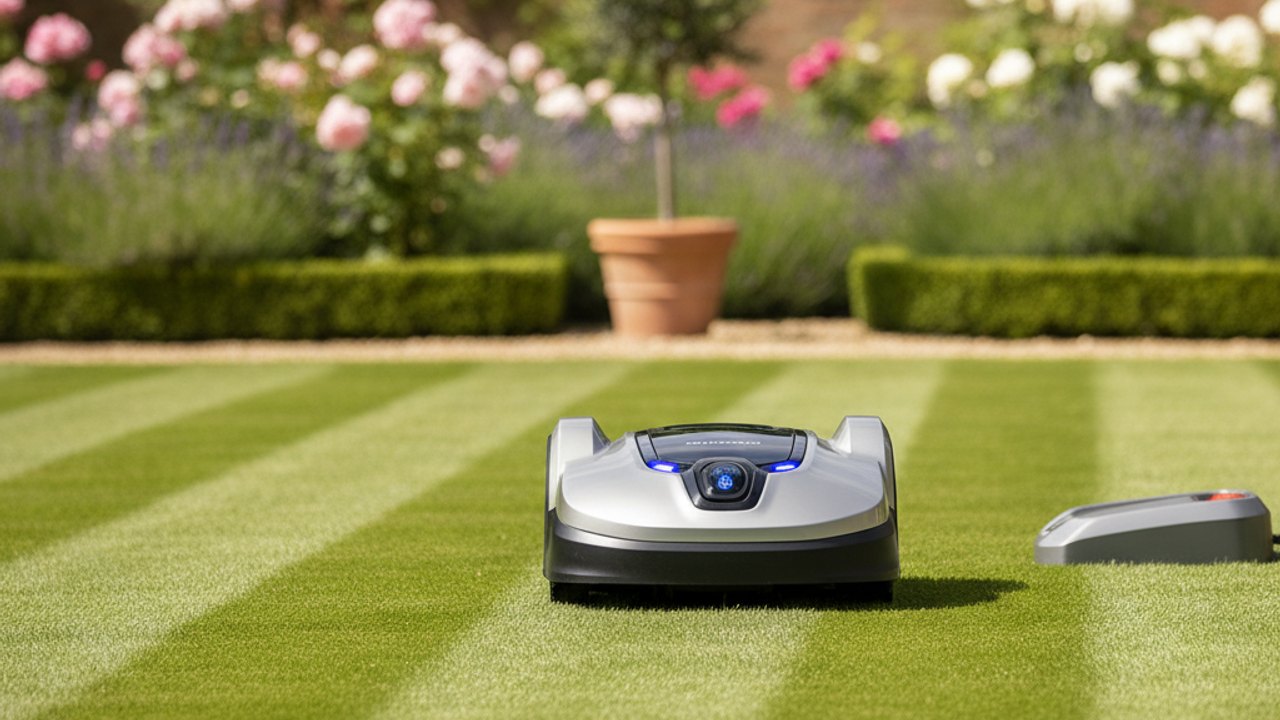
A robot lawn mower is the closest a garden gets to looking after itself. It lives in a small dock, sets off on its own schedule, trims a little off the grass every day and returns to charge, so the lawn stays permanently short and healthy and you never push a mower again. Because it cuts little and often, the tiny clippings fall back as feed, which keeps the grass thick and green. The category has moved fast, and the big change in 2026 is the arrival of wireless models that navigate by satellite, removing the one job people always dreaded: burying a boundary wire.
This guide explains the three things that decide which robot suits your garden, then compares six robot mowers genuinely sold on Amazon UK right now, from a keen value pick up to the premium satellite-guided machines. No invented coverage figures, no fake tests, just the trade offs laid out plainly.
The Three Things That Actually Matter
Ignore the sci-fi photos and match these three things to your actual garden.
- Boundary system: wire or wireless. This is the biggest decision. Traditional robots follow a perimeter wire you peg or bury around the lawn, which is reliable and cheaper but is a real installation job and a pain to move if you change the garden. Newer wireless robots use satellite positioning (GPS or RTK) and sometimes cameras to know where they are, so you set the boundary on a phone with no digging. Wireless is far easier to live with, but needs a reasonably open sky view to work well and costs more. For a simple rectangular lawn, a wire model is great value; for a complex garden or anyone who hates the idea of a wire, wireless is worth the premium.
- Lawn size and slope. Every robot is rated for a maximum lawn area in square metres and a maximum slope in percent, and buying one rated well above your actual lawn means it finishes comfortably and copes with growth spurts. Undersizing is the common mistake: a robot at the very top of its range runs constantly and struggles in fast spring growth. Check the slope rating too if your garden banks, because a robot that slips on a wet slope leaves tracks and misses patches.
- Navigation, app and security. Cheaper robots mow in a random pattern that covers the lawn over time; smarter ones map the garden and mow in tidy, systematic lines, which looks better and handles awkward shapes. A good app lets you set schedules, no-go zones and rain delay from your phone. Because a robot sits outside, look for a PIN lock, an alarm and GPS tracking so it is useless to a thief, and always bring it in over winter.
All Six Picks at a Glance
| Pick | Best for | Boundary | Typical price band |
|---|---|---|---|
| WORX Landroid M | Best value for most gardens | Perimeter wire | £500 to £800 |
| Segway Navimow i-series | Wireless satellite navigation | Wireless (GPS) | £900 to £1,500 |
| Husqvarna Automower Aspire R4 | Premium brand, smaller gardens | Perimeter wire | £800 to £1,000 |
| Gardena Sileno | Complex and narrow lawns | Perimeter wire | £600 to £1,100 |
| Bosch Indego S+ | Systematic, tidy line mowing | Perimeter wire | £600 to £900 |
| Flymo EasiLife GO | Budget entry for small lawns | Perimeter wire | £450 to £700 |
Bands are typical Amazon UK prices at the time of writing, quoted as ranges because prices move often.
Our Six Picks for 2026
WORX Landroid M Robot Lawn Mower
Best value for most UK gardens
The Landroid range is the value benchmark for robot mowing in Britain, and the M size suits the average family lawn. It runs on a perimeter wire, cuts in a balanced pattern, handles slopes well for the money and has a genuinely good app with scheduling, rain delay and no-go zones. WORX also sells clip-in accessories such as anti-collision and GPS modules, so you can add what you need rather than pay for it up front. Considerations: you have to lay the boundary wire, which is a weekend job, the base machine leaves some features as paid add-ons, and the random-within-zones cut is less tidy than a mapping robot. For most people who want reliable hands-off mowing without paying a premium, it is the sensible buy. Typical band is around £500 to £800.
View on Amazon UKSegway Navimow i-series Robot Lawn Mower
Best wireless satellite navigation
The Navimow is the machine that made wireless robot mowing mainstream. Instead of a buried wire it uses satellite positioning to know exactly where it is, so you walk the boundary once on your phone and it mows tidy, systematic lines inside it, with virtual no-go zones you draw in the app. Setup is dramatically easier than any wire robot and changing the garden layout is a two minute job rather than digging up cable. It is well built, quiet and handles a normal family lawn with ease. Considerations: it needs a reasonably open view of the sky to hold its position, so gardens boxed in by tall trees or buildings can confuse it, and it costs clearly more than a wire robot. For anyone who wants the easiest possible install and a genuinely modern machine, it is the standout. Typical band is around £900 to £1,500.
View on Amazon UKHusqvarna Automower Aspire R4 Robot Lawn Mower
Best premium brand for a smaller garden
Husqvarna effectively invented the robot mower and its Automower line is the name serious gardeners trust. The Aspire R4 brings that pedigree to a smaller, more affordable machine aimed at compact urban gardens. You get Husqvarna's excellent build quality, weatherproofing and reliability, a simple app, and the brand's proven cutting system that leaves a beautifully even finish. Considerations: it uses a boundary wire, it is sized for smaller lawns so check the area rating against your garden, and you pay a little for the badge. For someone with a modest lawn who wants a robot that will run faithfully for years from the category's benchmark brand, it is the reassuring choice. Typical band is around £800 to £1,000.
View on Amazon UKGardena Sileno Robot Lawn Mower
Best for complex and narrow lawns
Gardena, part of the Husqvarna group, builds the Sileno for the real British garden with its awkward corners, narrow passages and island beds. Its party trick is navigating narrow gaps as slim as a path between two borders, so it reaches areas other robots give up on, and it is famously quiet, so it can mow early without waking the neighbours. The app covers scheduling, zones and a frost sensor that pauses mowing when the lawn is delicate. Considerations: it uses a perimeter wire, the cheaper models suit smaller areas so match the model to your size, and the tidy but methodical pace means larger gardens need a higher model. For a garden that is anything other than a simple rectangle, it is the specialist that copes. Typical band is around £600 to £1,100.
View on Amazon UKBosch Indego S+ Robot Lawn Mower
Best for systematic, tidy line mowing
Where many robots wander, the Bosch Indego maps the lawn and mows in neat parallel lines, so it covers the grass efficiently and leaves the tidy, striped-look finish that appeals to gardeners who take pride in the lawn. It sets up with a boundary wire, connects to a clear app with scheduling and mapping, and Bosch's build quality is dependable. The logical mowing pattern also means it finishes faster and handles multiple lawns joined by a passage well. Considerations: it uses a wire, the parallel-line system prefers reasonably open lawns to complex mazes, and the smaller models suit medium gardens rather than large estates. For someone who wants the tidiest, most methodical cut from a trusted brand, it is the pick. Typical band is around £600 to £900.
View on Amazon UKFlymo EasiLife GO Robot Lawn Mower
Best budget entry for a small lawn
Flymo, the name in British lawns, makes the EasiLife GO for people who want to try robot mowing on a small garden without spending four figures. It is a compact, simple, keenly priced machine that runs on a boundary wire, cuts quietly little and often, and has an easy app and one-touch controls that suit anyone who does not want a complicated setup. Considerations: it is built for smaller lawns, so check the area rating, the navigation and slope handling are basic compared with the premium machines, and the finish is functional rather than fancy. As the least expensive way from a familiar brand to turn a small lawn into a self-maintaining one, it earns its place. Typical band is around £450 to £700.
View on Amazon UKWhich One Should You Buy?
Simple lawn, best value? The WORX Landroid M is the sensible all round buy, with the Flymo EasiLife GO the budget route and the Husqvarna Aspire R4 the premium-brand small-garden option, all using a boundary wire.
Hate the idea of a wire? The Segway Navimow navigates by satellite with no wire to bury, which makes it the easiest to install and to change later, as long as your garden has a decent view of the sky.
Awkward shape or want a tidy finish? The Gardena Sileno threads narrow gaps and complex lawns, and the Bosch Indego mows in neat systematic lines for the tidiest look.
Frequently Asked Questions
Do I have to bury a wire around my lawn?
It depends on the robot. Traditional models follow a perimeter wire that you peg down or bury a little below the surface, which is reliable and cheaper but is a genuine installation job. Newer wireless robots such as the Segway Navimow use satellite positioning, so you set the boundary on a phone with no wire at all. If you want the easiest setup and do not mind paying more, choose wireless; if you have a simple lawn and want the best value, a wire model is fine and the wire disappears into the grass within weeks.
What size lawn can a robot mower handle?
Every model is rated for a maximum area in square metres, and the golden rule is to buy one rated comfortably above your actual lawn rather than at its limit. A robot near the top of its range runs almost constantly and struggles in fast spring growth, while one with headroom finishes early and copes with a growth spurt. Measure your lawn, then pick a model rated well above it, and check the slope rating too if your garden banks.
Are robot lawn mowers safe around children and pets?
Modern robots are designed with safety in mind: the blades are small and set back under the body, lift and tilt sensors stop the blades instantly if the machine is picked up or tips, and obstacle sensors make it turn away from things in its path. They are much safer than a conventional mower. Still, treat them sensibly, schedule mowing when the garden is empty where you can, keep very young children and pets supervised nearby, and never reach under a running machine.
Will it get stolen, sitting outside?
It is a real consideration, which is why good robots build in security. Look for a PIN lock so it will not run for anyone else, an alarm that sounds if it is lifted, and GPS tracking on the better models so it can be located. Register the machine with the maker, site the charging base out of easy view from the street, and bring the robot indoors over winter when it is not mowing anyway. With those steps, a stolen robot is little use to a thief.
Do robot mowers work in the UK's wet weather?
Yes, they are built for outdoor life in British conditions and most will mow in light rain, though many owners set a rain delay so the lawn is not churned when it is very wet, which also protects soft ground from track marks. They cope with dew and damp grass well. Over winter, when growth stops, bring the robot in, charge the battery periodically and store it dry, and it will be ready when the grass starts again in spring.