Best Heated Airers UK 2026: Dry Washing for Pennies an Hour
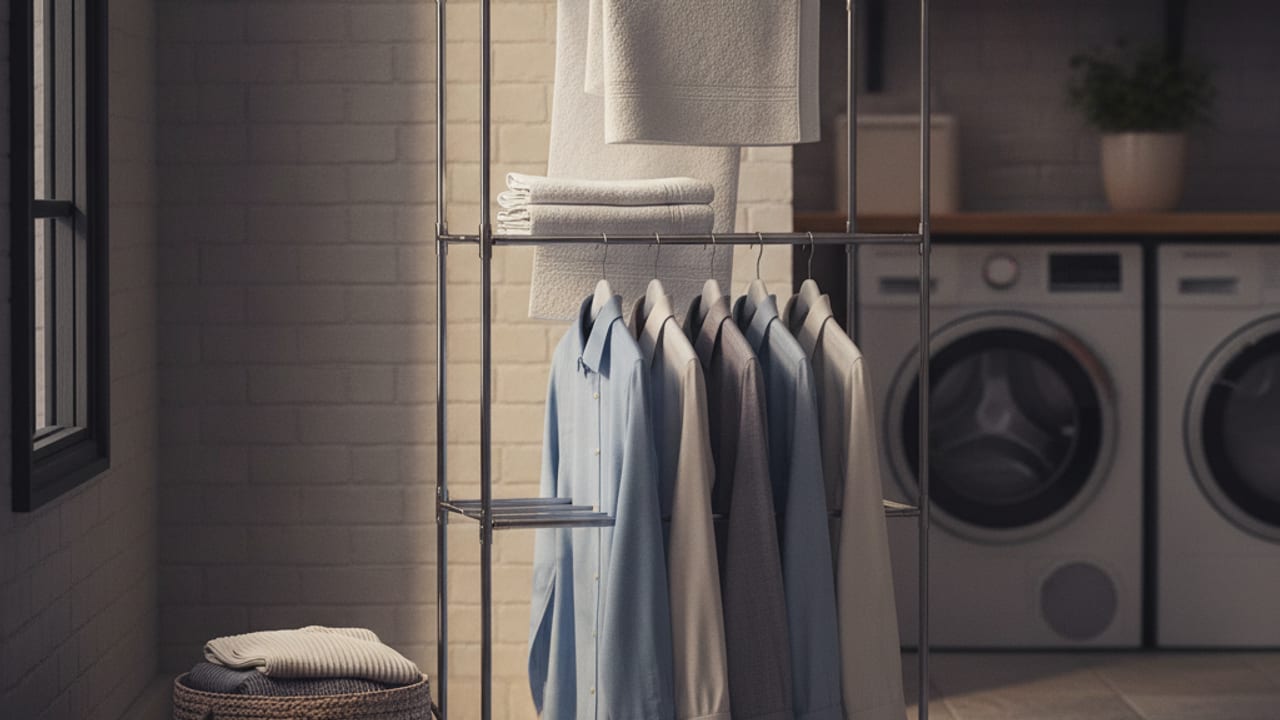
There is a particular kind of despair that arrives with a British October: three loads of washing done, rain hammering the window, and every radiator in the house already wearing somebody's jeans. Draping clothes over radiators feels thrifty but it is quietly awful, it blocks heat from the room, pushes the boiler harder, and pumps litres of water vapour into the air where it becomes the condensation and mould that ruins window reveals. A heated airer is the tool built for exactly this gap: gentler than a tumble dryer, drastically cheaper to run, and kind to the clothes a dryer would slowly destroy.
Two things to know before the picks. First, wattage is the whole running cost story, and most decent airers sit around 220 to 300 watts, roughly a tenth of a tumble dryer's draw. Second, we have limited this list to full sized heated airers and drying kit from brands with a track record; there are flimsy two tier models and bare accessory covers below the £50 mark, but the frames flex, the rails run cool at the ends, and they tend to be a purchase you make twice. The six picks below are the ones worth owning through a whole condensation season.
The Running Cost Maths, Done Honestly
Heated airers get sold on running cost, so here are the real numbers, all approximate because tariffs and machines vary.
- The airer costs around 8p an hour. A typical 300 watt airer uses 0.3 kilowatt hours each hour, and at around 27p per kilowatt hour that is roughly 8p an hour. A long overnight run of eight hours comes to around 65p, and lighter loads finish well before that. A tumble dryer cycle on a vented or condenser machine uses in the region of 2.5 to 4 kilowatt hours, which is roughly 70p to over a pound per load at the same rate. The airer usually wins per load, always wins per hour, and costs far less to buy than any dryer.
- A cover is the single best upgrade. Drying time is the airer's weakness, typically four to eight hours for a mixed load. A zipped cover traps the warm air around the washing instead of letting it drift to the ceiling, and it shortens drying time enough that the airer runs fewer hours per load. If a model you like offers a bundled cover, take it.
- Rail space decides whether it copes with family life. Around 20 metres of heated rail across three tiers handles a full family wash with space between garments, which matters because packed washing dries slowly and unevenly. Two person households can go smaller, but cramming a family load onto a small airer is how the whole idea gets an unfair bad name.
- Plan for the moisture. The water leaving your clothes goes into the room air, every time. Dry in one room with the door shut, and either crack a window or run a dehumidifier alongside. In a modern airtight house the dehumidifier pairing is genuinely transformative, faster drying and no damp walls, which is why one appears in this list.
All Six Picks at a Glance
| Pick | Best for | Format | Typical price band |
|---|---|---|---|
| Lakeland Dry:Soon Deluxe 3-Tier | The benchmark family airer | 3 tier, ~21m rail | £160 to £200 |
| Black+Decker 3-Tier with cover | Value with a cover included | 3 tier + cover | £95 to £140 |
| Dry:Soon Drying Pod | Fast drying in small homes | Upright pod | £100 to £140 |
| Russell Hobbs 3-Tier | Cheapest dependable route in | 3 tier | £60 to £90 |
| VonHaus 3-Tier with cover | Budget bundle | 3 tier + cover | £75 to £110 |
| MeacoDry Arete One 20L | The damp beating partner | Dehumidifier | £190 to £260 |
Bands are typical Amazon UK prices at the time of writing, quoted as ranges because prices move often.
Our Six Picks for 2026
Lakeland Dry:Soon Deluxe 3-Tier Heated Airer
Best family airer overall
Lakeland's Dry:Soon has become shorthand for the whole category, and time with one makes it obvious why. The Deluxe three tier gives you roughly 21 metres of rail that heats evenly right to the ends, a frame that stands solid under a full wet load rather than swaying, and hinges that survive being folded and unfolded daily from October to March. It takes a full family wash with room for air to move between garments, and at around 300 watts the honest maths above applies directly: pennies an hour, roughly 65p for a long overnight session. Considerations: it is the priciest pure airer here, the matching cover that speeds everything up is sold separately, and folded flat it is still a tall item to store, so check your cupboard gap. As the one airer to buy once and keep for years, it is the benchmark. Typical price band is around £160 to £200.
View on Amazon UKBlack+Decker 3-Tier Heated Airer with Cover
Best value with the cover included
Black+Decker's three tier airer answers the most common complaint about the category, slow drying, by bundling the zipped cover in the box rather than selling it as an extra. With the cover on, the warm air stays trapped around the washing and a load that would take six uncovered hours finishes noticeably sooner, which directly cuts the running cost per load. The airer itself is a solid aluminium framed three tier design with a decent rail length and wheels on some versions, from a brand with proper UK customer support behind it. Considerations: the frame and hinges are a step down from the Lakeland in outright solidity, and assembly of the cover over a fully loaded airer takes a little practice before it feels quick. As a first heated airer that arrives with everything you need to do the job properly, it is the strongest package for the money here. Typical price band is around £95 to £140.
View on Amazon UKLakeland Dry:Soon Drying Pod
Best for fast drying in small homes
The Drying Pod takes a different approach: instead of warm rails, it is an upright fabric tower with a heater and fan in the base that blows warm air up through clothes hung inside on hangers. The result is the fastest drying of anything in this list, shirts and school uniform can be done in an hour or two, and because everything dries on hangers, most of it goes straight into the wardrobe without ironing. Its footprint is roughly that of a bedside table, which suits flats and small terraces where a full three tier airer has nowhere to stand. Considerations: capacity per session is well below a three tier airer, so a family's full weekly wash means multiple rounds, the fan draws more power per hour than a rail airer even though shorter sessions largely balance that out, and bulky items like towels and bedding are not its strength. As a second dryer for the morning panic shirt, it is unbeatable. Typical price band is around £100 to £140.
View on Amazon UKRussell Hobbs 3-Tier Heated Clothes Airer
Best cheapest dependable route in
If you want to try heated drying without committing serious money, this is the sensible floor. Russell Hobbs puts a recognised name, a UK support operation and a standard three tier folding design at a price the premium brands cannot touch, with similar wattage to the Lakeland and the same basic promise: warm rails, folded flat storage, a normal three pin plug. It dries a load reliably, just with less refinement, the frame is lighter and flexes more when fully loaded, and the rail ends run cooler than the middles. Considerations: no cover is included and the brand does not sell a fitted one, though universal covers and even a bedsheet draped over the top noticeably improve drying times. There are cheaper unbranded airers below this on Amazon, but this is the point where build quality starts being worth owning; below it, you are buying twice. Typical price band is around £60 to £90.
View on Amazon UKVonHaus 3-Tier Heated Airer with Cover
Best budget bundle
VonHaus is a Manchester based value brand, and its heated airer bundle lands in the gap between the bare Russell Hobbs and the Black+Decker package: a full three tier heated airer plus the zipped cover, usually for less than rivals charge for the airer alone. The rail area is generous enough for a family load, the aluminium frame keeps the weight manageable, and with the cover zipped up the drying performance gets surprisingly close to airers half as expensive again. Considerations: this is honest budget kit, the plastic fittings and hinges want gentle treatment, the quality control is less consistent than the premium names, and the warranty support, while real, is not Lakeland's. Treat it kindly, keep it out of the way of children swinging on the rails, and it is the cheapest way to get the full covered airer experience that actually makes the category work. Typical price band is around £75 to £110.
View on Amazon UKMeacoDry Arete One 20L Dehumidifier
Best partner buy: dry faster, protect the house
This is not an airer, and it earns its place here anyway. Every litre of water that leaves your washing ends up in the room air, and in a well sealed modern home that moisture becomes condensation on the coldest wall you own. A compressor dehumidifier running beside the airer captures that water in its tank instead, and as a bonus the drier air pulls moisture out of the clothes faster, cutting drying times meaningfully. Meaco's Arete One 20L is the standout choice for the job: a dedicated laundry mode, genuinely quiet running, and a British air treatment specialist behind it. Considerations: it costs more than any airer in this list and it is only essential if you dry indoors regularly or already see winter condensation; in a large, well ventilated room an occasional load will not hurt anything. For the many UK homes drying washing indoors five months a year, airer plus dehumidifier is the proper setup. Typical price band is around £190 to £260.
View on Amazon UKWhich One Should You Buy?
Family house, washing all winter? The Lakeland Dry:Soon Deluxe is the buy it once answer, and adding a cover, or pairing it with the Meaco dehumidifier if your windows already stream, turns it into a proper drying system.
Want the best value complete package? The Black+Decker with its included cover does the whole job out of one box, and the VonHaus bundle repeats the trick for less if the budget is tight.
Small flat, hangers, morning deadlines? The Dry:Soon Drying Pod dries fastest in the smallest footprint and sends shirts straight to the wardrobe. Keep the Russell Hobbs in mind as the honest minimum spend for a full sized airer.
Frequently Asked Questions
Are heated airers really cheaper than a tumble dryer?
Per hour, dramatically: around 8p against a dryer's heavy draw. Per finished load the gap narrows because the airer runs for hours, but at around 27p per kilowatt hour a long airer session comes to roughly 65p while a typical condenser dryer load lands around 70p to over a pound, and the airer costs a fraction as much to buy. Heat pump dryers close the running cost gap but carry a much higher purchase price. All figures are approximate and move with your tariff.
How long does a heated airer take?
Roughly four to eight hours for a mixed load, with thin synthetics done in two or three and jeans and towels holding out longest. Three things shorten it more than anything else: an extra spin cycle before hanging, space between garments so air can circulate, and a cover to hold the warmth in. Loads set going in the evening are reliably dry by morning.
Will drying clothes indoors cause damp and mould?
It can if the moisture has nowhere to go, because a wet load releases litres of water into the air as it dries. Dry in one room with the door closed, and give the moisture an exit: a window on trickle vent, an extractor, or best of all a dehumidifier in the same room, which also speeds the drying. What causes trouble is washing draped through every room of an unventilated house all winter.
Is it safe to leave a heated airer on overnight?
Heated airers run at low surface temperatures, well below anything that scorches fabric, and overnight running is how most owners use them. Sensible precautions still apply: plug straight into a wall socket rather than a cheap extension lead, keep the airer clear of curtains and bedding, stand it on a stable floor away from pets that climb, and follow the maker's instructions. A model with a timer means it stops itself once the clothes are done.
Do the covers actually make a difference?
Yes, and it is the accessory to prioritise. An uncovered airer loses most of its warm air straight upwards; a zipped cover keeps that heat in a tent around the washing, so clothes dry noticeably faster and the unit runs fewer hours per load, which is a direct running cost saving. If your airer has no fitted cover available, a clean sheet draped over the load recovers some of the same effect.