Best Heat Pump Tumble Dryers UK 2026: Six Picks Compared
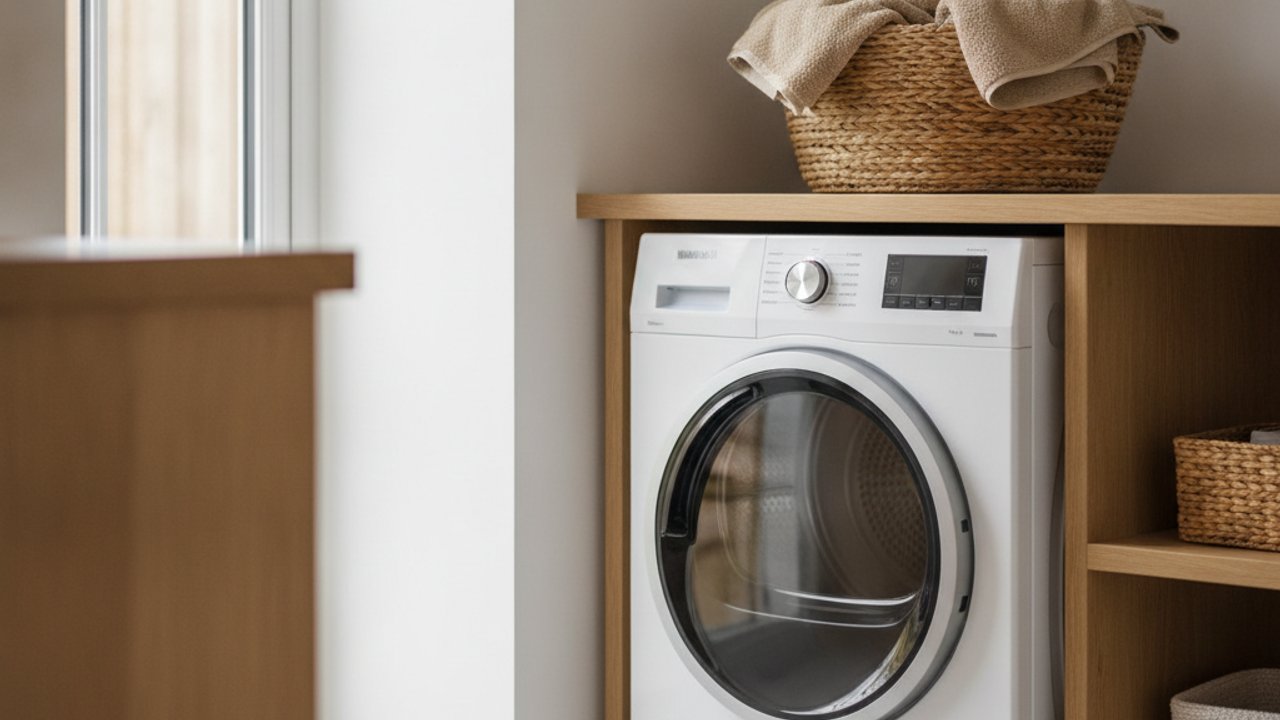
From October to March, drying clothes is the quiet misery of most UK homes. Radiators get buried under damp shirts, windows stream with condensation, and the laundry basket never actually empties. A tumble dryer fixes the problem, but the old style machines earned their reputation as energy guzzlers, which is exactly why the heat pump dryer has taken over: it recycles warm air around a sealed loop instead of blasting heat out of a vent, and it typically uses around half the electricity of an equivalent condenser model, sometimes less.
This guide explains the three things that genuinely decide which dryer suits your home, then compares six heat pump models worth your money in 2026, from a budget workhorse to the premium German pick. No invented lab tests, just the trade offs laid out plainly so the machine you buy matches your laundry pile, your space and your electricity bill.
The Three Things That Actually Matter
- Heat pump, condenser or vented, because this decides your running costs for the next decade. Vented dryers push hot wet air out through a hose, condensers turn it into water you empty from a tank, and both make heat from scratch on every cycle, which is why they are cheap to buy and dear to run. A heat pump dryer recycles its warm air around a closed loop, so it runs at a lower temperature, is gentler on clothes and typically costs roughly half as much per cycle. The purchase price is higher, but if you dry several loads a week the running cost gap usually pays the difference back over the machine's life, and the gap grows every time electricity prices rise.
- Capacity and sensor drying, because this is what decides how your week actually feels. An 8kg drum suits couples and small families; a 9kg or 10kg drum swallows a family wash or a king size duvet cover without creasing everything into a ball. Just as important is proper sensor drying, where the machine measures moisture and stops when the load is actually dry rather than running a blind timer. It saves electricity, stops over drying from wrecking fabrics, and is the single feature that separates a modern dryer from the one at your old flat. Check the drum opens the way your space needs too, as most doors are reversible but not all.
- Where it will live, because heat pump dryers are flexible but not magic. No vent hose is needed, so a heat pump dryer can live in a kitchen, a utility room, a hallway cupboard or anywhere with a plug. Two caveats: they prefer rooms that stay above roughly 5 degrees, so an unheated garage in January can slow cycles down noticeably, and the water tank needs emptying unless you route the little drain hose into a nearby waste pipe. Cycles also run longer than old vented machines, typically two to three hours on a full sensor load, which matters if you are used to hammering through loads back to back.
All Six Picks at a Glance
| Pick | Best for | Capacity | Typical price band |
|---|---|---|---|
| Beko 9kg heat pump (B3T4 series) | Budget champion | 9kg | £330 to £420 |
| Hoover H-Dry 500 (9kg) | Big drum for less | 9kg | £330 to £450 |
| Haier HD90-A2979 i-Pro Series 7 | Best all rounder | 9kg | £430 to £570 |
| Bosch Series 4 heat pump (8kg) | Reliability pick | 8kg | £430 to £560 |
| Samsung DV90T5240AW Series 5 | Smart features | 9kg | £450 to £620 |
| Miele T1 heat pump (8kg) | Premium, built to last | 8kg | £900 to £1,150 |
Our Six Picks for 2026
Beko 9kg Heat Pump (B3T4 series)
Best budget champion
Beko has quietly become the brand that brought heat pump drying down to a price normal households will pay, and its 9kg B3T4 series machines are the reason. You get the full heat pump running cost saving, proper sensor drying programmes and a family sized drum for a price that undercuts most rivals by a clear margin. Considerations: the plastics and dials feel built to a price, cycle times are on the longer side, and the quoted noise level is average rather than hushed. But if your goal is to stop draping washing over every radiator without spending £500, this is where the value sits. Typical band is around £330 to £420.
View on Amazon UKHoover H-Dry 500 (9kg)
Best big drum for less
The H-Dry 500 range is Hoover's volume seller for a reason: a generous 9kg drum, sensible sensor programmes and app connectivity at a price that regularly dips into genuine bargain territory during sales events. The large door opening makes unloading duvet covers less of a wrestle, and the delay start plus app control suit anyone on a cheaper overnight electricity tariff. Considerations: build quality is serviceable rather than solid, and the app is a nice extra rather than something you will use weekly. As a first heat pump dryer for a busy family house, it is very easy to recommend. Typical band is around £330 to £450.
View on Amazon UKHaier HD90-A2979 i-Pro Series 7
Best all rounder
Haier's i-Pro Series 7 is the sweet spot of this list: an A+++ rated 9kg machine with a refined drum action, genuinely quiet running and a smart, well laid out control panel, for noticeably less than the big German names. Owners consistently praise how gently it treats clothes, and the efficiency rating means it is about as cheap to run as drying gets. Considerations: Haier is less of a household name in the UK, though it is one of the biggest appliance makers in the world, and cycle times are typical heat pump rather than quick. If you want the best balance of price, efficiency and everyday niceness, start here. Typical band is around £430 to £570.
View on Amazon UKBosch Series 4 Heat Pump (8kg)
Best reliability pick
Bosch's Series 4 heat pump dryers are the machines people buy when they want to stop thinking about the machine. The 8kg drum with sensitive drying keeps fabrics flat against a textured drum surface, the sensor programmes are accurate, and Bosch's reliability record and parts availability are among the best in the business. Considerations: 8kg rather than 9kg, so a family of five will run it more often, and you pay a little more per kilogram of capacity than the value brands. For a couple or small family who want a dryer that simply works for a decade, this is the safe money. Typical band is around £430 to £560.
View on Amazon UKSamsung DV90T5240AW Series 5
Best smart features
Samsung's Series 5 OptimalDry machines pair a 9kg drum with the most polished smart experience here: the dryer learns from a paired Samsung washer, the SmartThings app gives proper cycle control and energy tracking rather than a token remote start, and OptimalDry sensors adjust drying to protect fabrics. It is efficient, modern looking and quick for a heat pump. Considerations: you only unlock the cleverest tricks inside Samsung's ecosystem, and like most connected appliances it asks for an account you may not want. If you like your appliances talking to each other, this is the one. Typical band is around £450 to £620.
View on Amazon UKMiele T1 Heat Pump (8kg)
Best premium, built to last
Miele tests its machines to the equivalent of twenty years of use, and the T1 heat pump range is what that philosophy feels like: a honeycomb drum that cushions fabrics, drying results the others do not quite match, whisper quiet running and controls that will still feel precise in 2040. The FragranceDos system can scent loads if that is your thing, and the EcoDry technology keeps efficiency high for the machine's whole life rather than just when new. Considerations: the price is two to three times the budget picks, and capacity is 8kg. As a twenty year buy for a house that dries most days, the maths is far more sensible than it first looks. Typical band is around £900 to £1,150.
View on Amazon UKWhich One Should You Buy?
- Tight budget, family sized pile: the Beko 9kg or the Hoover H-Dry 500. Both get you real heat pump economy for around a third of a grand.
- Want the best balance of everything: the Haier i-Pro Series 7. A+++ efficiency, 9kg, quiet, fairly priced.
- Value reliability above all: the Bosch Series 4. The boring choice in the best possible way.
- Smart home household: the Samsung Series 5. The app and washer pairing are genuinely useful rather than gimmicks.
- Buying once for twenty years: the Miele T1. It costs Miele money and it dries like it.
Frequently Asked Questions
Are heat pump tumble dryers really cheaper to run?
Yes, and it is the whole point of the technology. Because a heat pump dryer recycles warm air around a sealed loop rather than generating fresh heat all cycle, it typically uses around half the electricity of a condenser dryer per load, and the saving compounds for every load you dry. The higher purchase price is usually recovered over the machine's lifetime for anyone drying more than a couple of loads a week.
Do heat pump dryers need a vent or plumbing?
No vent is needed, which is why they can live almost anywhere with a plug socket. Moisture collects in a tank you empty after a cycle or two, and most machines also include a small hose you can route into a nearby waste pipe so you never think about the tank at all.
Why do heat pump cycles take longer?
They dry at a lower temperature, which is also why they are kinder to clothes and cheaper to run. A full sensor dried load typically takes two to three hours. If you need a shirt dry in forty minutes, most machines include a smaller quick programme for exactly that.
Can I put a heat pump dryer in a garage?
You can, but check the rated operating temperature first. Heat pump dryers work best in rooms that stay above roughly 5 degrees, so an unheated garage in a cold snap will slow drying down and can affect performance. A hallway, kitchen or utility room is ideal.
Is drying inside on radiators really that bad?
It is worse than most people think. A full load of washing releases litres of water into your rooms as it dries, which lands on your coldest walls and windows as condensation and, over a winter, feeds damp and mould (a dehumidifier fights the same battle from the other side). A sensor drying heat pump machine removes that moisture from the house for pennies per load, which is why dryers sell hardest in October.
Prices move constantly on Amazon UK, especially through the autumn sales period, so check the live listing for today's figure. For more picks across the home, see all our buying guides.