Best Cross Trainers UK 2026: Six Picks Compared
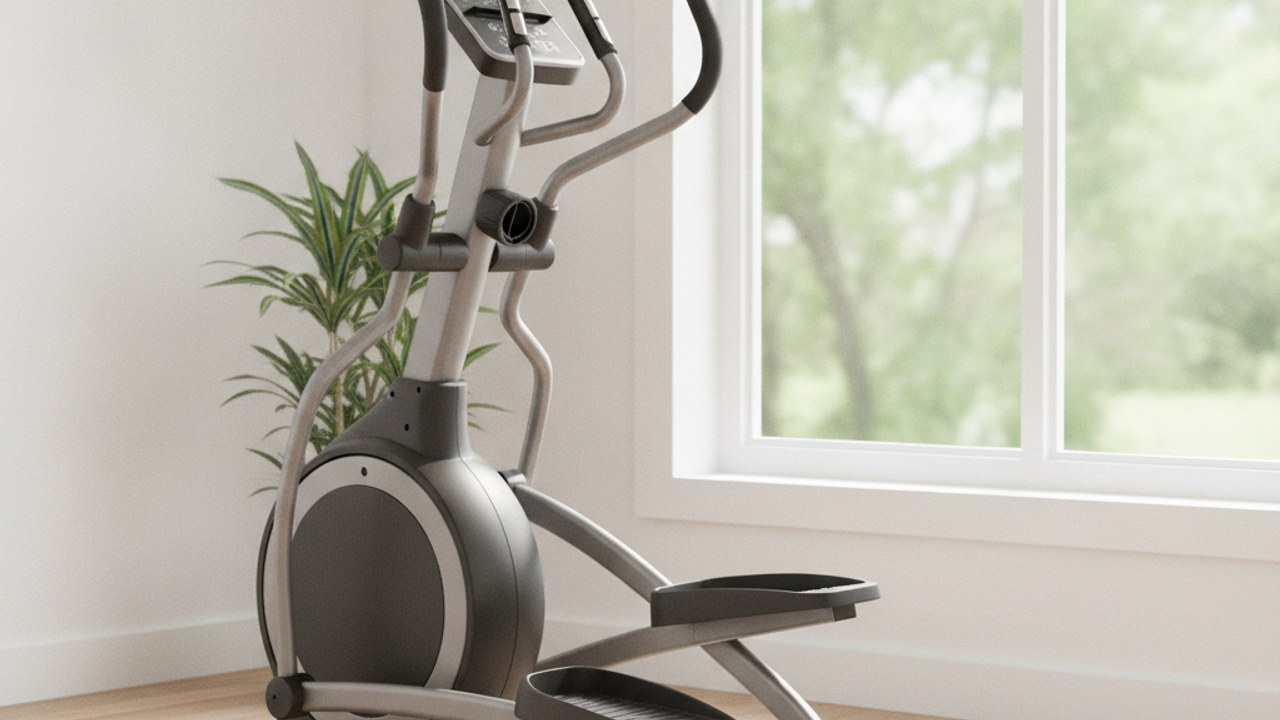
The cross trainer is the quiet hero of home cardio. It works your legs, arms and core together, raises your heart rate as hard as running does, and does it all without the joint impact that sends so many runners to the physio, which is why it suits everyone from returning exercisers to people protecting their knees. The problem is that the home market runs from flimsy sub two hundred pound frames to gym grade machines, and the spec that actually decides how a cross trainer feels, the flywheel and the stride, is the one the listings shout about least.
This guide explains the three things that genuinely separate cross trainers, then compares six models sold on Amazon UK right now, from a solid budget starter to a premium incline machine. No invented endurance tests, just the trade offs laid out plainly so you buy a machine that still gets used in February.
The Three Things That Actually Matter
Ignore the programme count and look at these three things instead.
- Flywheel weight and resistance, because smoothness keeps you on it. The flywheel is what you are pushing against, and a heavier one gives a smoother, more natural stroke with no jerk at the turn of each stride. Light flywheels on budget machines feel scratchy and unrewarding, which is why cheap cross trainers gather washing. Magnetic resistance is the standard now, quiet and adjustable, and the more levels the finer you can tune the effort. As a rule, the heavier the flywheel the better the machine feels, and it is the single best predictor of whether you will enjoy using it.
- Stride length matched to your height. The stride is how far the pedals travel, and it decides whether you glide or shuffle. Compact machines with short strides feel fine for shorter users and gentle sessions, but anyone around average height or taller doing proper workouts wants a longer stride, because a cramped stride turns an elliptical motion into a bouncy stepper motion. Taller households should treat stride length as the headline spec, and front drive machines generally offer longer strides than compact rear drive frames.
- Footprint, build and the boring practicalities. Cross trainers are bigger than they look in photos, so measure the space including headroom, because the pedals lift you several inches. Check the maximum user weight, which is an honest proxy for frame strength, and the machine's own weight, since a heavier build stays planted while a light one rocks under effort. Wheels for moving it, a tablet shelf you will actually use, and pulse grips or a chest strap option round out the practical list. Console gimmicks age fast; a solid frame does not.
All Six Picks at a Glance
| Pick | Best for | Type | Typical price band |
|---|---|---|---|
| Dripex Cross Trainer | Budget starter | Compact magnetic | £150 to £250 |
| XS Sports Pro CT700 | Budget with app feel | Compact magnetic | £180 to £280 |
| JLL CT300 | Best value all-rounder | Mid magnetic | £250 to £380 |
| Reebok A6.0 | Mid-range quality | Front drive | £380 to £550 |
| ProForm 225 CSE | Training features | Rear drive | £400 to £600 |
| NordicTrack AirGlide | Premium with incline | Front drive incline | £650 to £1,000 |
Bands are typical Amazon UK prices at the time of writing, quoted as ranges because prices move often.
Our Six Picks for 2026
Dripex Cross Trainer
Best budget starter
The Dripex cross trainer is the sensible way into home elliptical training, a compact magnetic machine with a decent range of resistance levels, pulse grips and a simple console, at a price that makes trying the habit low risk. It runs quietly enough for a flat, the footprint suits a spare room corner, and assembly is straightforward. Considerations: the flywheel is light so the stroke is less silky than the dearer machines, the stride is compact which suits shorter and average height users best, and the frame prefers steady sessions to flat out intervals. For building a daily cardio habit on a budget without a gym membership, it does the job honestly. Typical band is around £150 to £250.
View on Amazon UKXS Sports Pro CT700 Cross Trainer
Best budget with a proper console
The XS Sports Pro CT700 has been a UK budget favourite for years, pairing a compact magnetic frame with a clearer console, more workout feedback and a sturdier feel than most machines at its price. Pulse sensors in the grips, a bottle holder and a tablet ledge cover the practical basics, and the resistance range is enough to keep early progress coming. Considerations: like all compact budget machines the stride is short, so taller users will feel cramped at pace, and the lighter flywheel shows at high resistance. For a first cross trainer in a smaller home, for couples of shorter to average height, it is the polished budget pick. Typical band is around £180 to £280.
View on Amazon UKJLL CT300 Cross Trainer
Best value all-rounder
The JLL CT300 is the machine to buy when you know the habit will stick but the budget is real, stepping up to a heavier flywheel, a longer more natural stride and a sturdier frame than the budget compacts, from a British fitness brand with proper UK support and spares. The magnetic resistance spread suits everything from warm ups to hard sessions, and the whole machine feels planted rather than perched. Considerations: it needs more floor space than the compacts, the console is functional rather than flashy, and serious six footers will still prefer the longer strides further up this list. For most people who want years of smooth home cardio at a fair price, this is the default recommendation. Typical band is around £250 to £380.
View on Amazon UKReebok A6.0 Cross Trainer
Best mid-range quality
The Reebok A6.0 brings gym brand engineering to the home mid range, with a heavy flywheel, a long natural front drive stride and a solid planted frame that together deliver the smooth gliding action cheap machines imitate but never match. The console covers programmes and heart rate cleanly, the styling is genuinely handsome, and the build quality is a clear step up you feel in every stroke. Considerations: it is a big machine that wants a dedicated spot, it is heavy to shift despite the wheels, and it costs proper money. For regular exercisers, taller users, and anyone who found budget machines scratchy and wants home cardio that feels like the gym, this is where that starts. Typical band is around £380 to £550.
View on Amazon UKProForm 225 CSE Cross Trainer
Best for guided training features
The ProForm 225 CSE is the pick for people who train better with structure, pairing a smooth magnetic elliptical with iFit compatibility, so the machine can serve up trainer led workouts and auto adjust resistance instead of leaving you to count strides at level six. The frame folds up more compactly than most rivals, which suits shared rooms, and the console and programme depth outclass similarly priced machines. Considerations: getting the best from it means an iFit subscription, the flywheel and stride sit below the Reebok's for pure feel, and the tech is the point here rather than raw mechanics. For motivation that survives the winter, guided sessions genuinely help, and this is the affordable way to get them. Typical band is around £400 to £600.
View on Amazon UKNordicTrack AirGlide Cross Trainer
Best premium with power incline
The NordicTrack AirGlide is the premium home elliptical, combining a heavy flywheel, a long gliding stride and the range's party piece, a power adjustable incline that changes which muscles work and turns one machine into many workouts. The build is substantial, the console streams iFit trainer sessions that drive the resistance and incline for you, and the whole experience is the closest this list gets to a gym machine at home. Considerations: it is large, heavy and premium priced, the subscription unlocks its best features, and it is more machine than a casual user needs. For committed training households replacing a gym membership properly, it is the flagship that justifies itself. Typical band is around £650 to £1,000.
View on Amazon UKWhich One Should You Buy?
Starting out or on a budget? The Dripex is the honest cheap way in, and the XS Sports CT700 adds a better console and sturdier feel for a little more.
Committed and want quality? The JLL CT300 is the value all-rounder with a proper flywheel, and the Reebok A6.0 is the mid-range machine that feels like the gym.
Training seriously at home? The ProForm 225 CSE adds guided iFit workouts for motivation, and the NordicTrack AirGlide with its power incline is the premium flagship.
Frequently Asked Questions
Is a cross trainer as good as running?
For heart and lungs, yes, a hard elliptical session raises your heart rate into the same zones as running, and because your arms drive too, it can burn comparably. The crucial difference is impact: your feet never leave the pedals, so knees, hips and ankles are spared the pounding of pavement running. That makes it ideal for heavier exercisers, anyone returning from injury and older joints. Runners training for races still need running's specific impact adaptation, but for general fitness and fat loss the cross trainer gives you the cardio without the bruises.
What stride length do I need?
It scales with height. Shorter users are comfortable on the compact strides of budget machines, average height users want a mid length stride to move naturally, and anyone approaching six foot or beyond should prioritise the longest stride they can afford, because a short stride forces a bouncing shuffle instead of a glide. If a machine's stride is not listed, that is usually a sign it is short. When a couple of different heights share one machine, buy for the taller person, since a longer stride suits everyone while a short one punishes the tall.
Why does flywheel weight matter?
The flywheel stores momentum through each stride, so a heavier one carries you smoothly through the turnover points where light wheels jerk and snatch. That smoothness is what makes a machine pleasant enough to use daily, and its absence is why cheap cross trainers get abandoned. Heavier flywheels also tend to come with better bearings and sturdier frames, so the spec doubles as a quality signal. If you compare two machines at similar prices, the one with the heavier flywheel will almost always feel better and last longer.
Are cross trainers noisy in a flat?
Magnetic resistance machines are inherently quiet, a soft whirr rather than anything mechanical, and much quieter than a treadmill because there is no footfall impact. What transmits in a flat is vibration through the floor, so put a rubber equipment mat underneath, check the machine sits level on its adjusters, and keep moving parts lightly maintained as the manual describes. Used that way at sensible hours, a magnetic cross trainer is one of the most neighbour friendly cardio machines you can put in an upstairs home.
How much space does a cross trainer need?
Allow the machine's footprint plus clear space around it to mount and dismount safely, and remember the pedals lift you higher than standing, so check ceiling height, especially under lofts and in basements, by adding pedal height to your own. Front drive machines are longer, compact rear drive frames suit smaller rooms, and a few, like the ProForm here, fold to reclaim floor space between sessions. Measure honestly before buying, because a cross trainer squeezed somewhere awkward becomes a clothes horse by spring.