Best Exercise Bikes UK 2026: Six Picks Compared
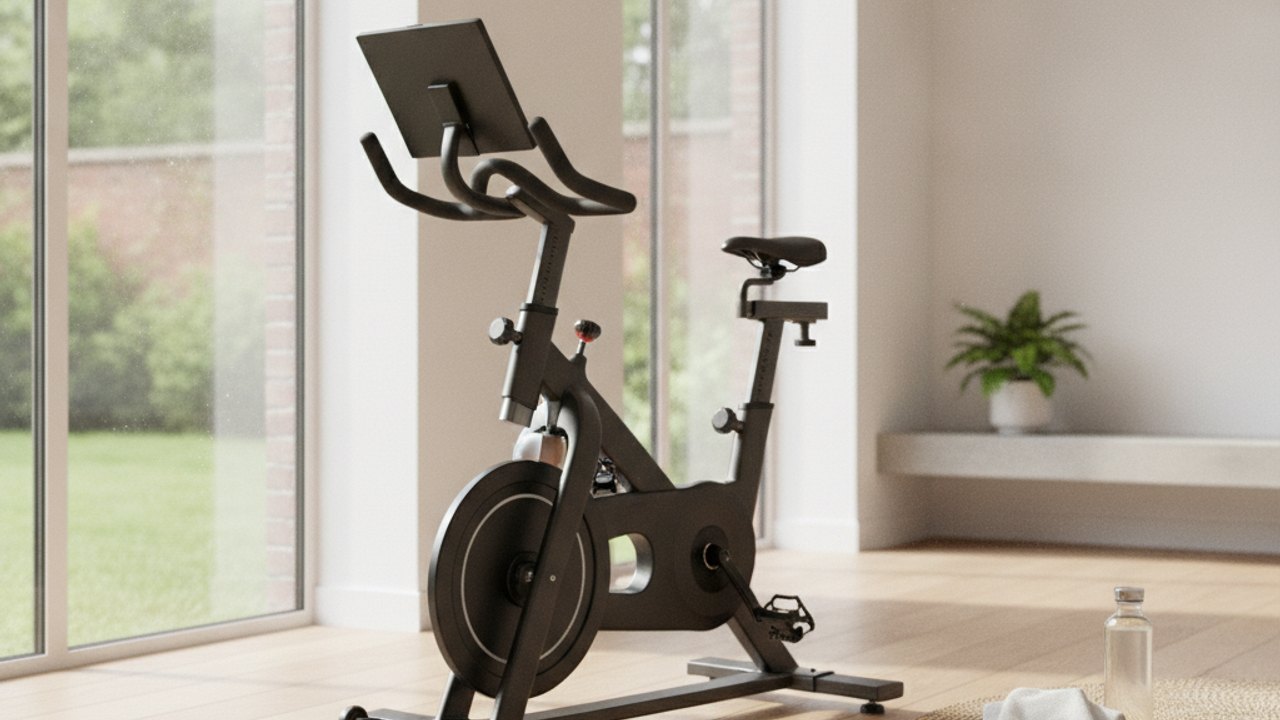
An exercise bike is the home fitness buy people actually stick with. It works whatever the British weather is doing, it is low impact so it is kind to knees and backs, and you can ride it while watching television, which is exactly why it gets used when a gym membership gathers dust. The market on Amazon spans three quite different kinds of bike and a wide price range, so buying well is less about spending the most and more about matching the bike to how you want to train and the space you have.
This guide explains the three things that decide which exercise bike suits you, then compares six genuinely sold on Amazon UK right now, from a compact budget upright to a premium connected indoor cycle. No invented resistance figures, no fake tests, just the trade offs laid out plainly.
The Three Things That Actually Matter
Ignore the flywheel weight bragging and match these three things to how you will train.
- Type: indoor cycle, upright or recumbent. This is the master decision. An indoor cycle, or spin bike, mimics a road bike with a heavy flywheel and a forward riding position for hard, sweaty interval workouts. An upright bike is more relaxed and compact, good for steady cardio while you watch television. A recumbent bike has a chair-like seat with back support and pedals out in front, which is the kindest on the back and joints and best for gentle rehabilitation or older riders. Pick the type that fits how you actually want to exercise before anything else.
- Resistance: magnetic or friction, and how it is controlled. Magnetic resistance is quiet, smooth and needs almost no maintenance, so it suits a home where noise matters and is worth seeking out. Friction resistance with a felt pad is cheaper but noisier and wears over time. Just as important is control: a simple knob is fine for steady riding, while push-button or app-controlled resistance lets you follow structured workouts and change effort quickly during intervals. For a quiet home and varied training, magnetic resistance with easy control is the pairing to want.
- Connectivity and the screen. Be honest about whether you will use an app. Connected bikes with Bluetooth link to apps like Kinomap, Zwift or the maker's own classes for virtual routes, live stats and guided sessions, which many people find is the difference between riding regularly and not. Others just want a bike with a clear basic display of time, distance and heart rate and their own playlist. A tablet holder is a cheap, useful middle ground. Do not pay for connectivity you will not use, but if classes motivate you, it is money well spent.
All Six Picks at a Glance
| Pick | Best for | Type | Typical price band |
|---|---|---|---|
| JLL IC300 Pro | Best value indoor cycle | Indoor cycle | £250 to £350 |
| Echelon EX-15 | Connected classes on a budget | Indoor cycle | £380 to £550 |
| YOSUDA Indoor Cycling Bike | Budget spin bike | Indoor cycle | £180 to £280 |
| Schwinn 800IC | Premium connected indoor cycle | Indoor cycle | £600 to £800 |
| JLL RE100 | Comfortable low-impact riding | Recumbent | £280 to £400 |
| Sunny Health upright bike | Compact upright for steady cardio | Upright | £150 to £250 |
Bands are typical Amazon UK prices at the time of writing, quoted as ranges because prices move often.
Our Six Picks for 2026
JLL IC300 Pro Indoor Cycle
Best value indoor cycle for most people
JLL is the brand that most British buyers land on for a home spin bike, and the IC300 Pro is the reason. It gives you a heavy flywheel, smooth and quiet magnetic resistance, a sturdy adjustable frame and a tablet holder for following classes, all at a price that undercuts the connected brands. It is the sensible workhorse: no subscription, no fuss, just a solid bike for sweaty interval sessions that will take years of use. Considerations: resistance is controlled by a knob rather than an app, so it does not auto-adjust for structured classes, there is no built-in screen or subscription content, and you supply your own tablet and app if you want guided rides. For someone who wants a genuinely good indoor cycle without paying for connectivity, it is the standout. Typical band is around £250 to £350.
View on Amazon UKEchelon EX-15 Connected Bike
Best for connected classes on a budget
The Echelon EX-15 is the affordable way into the world of live and on-demand spin classes without the price of a Peloton. It is a compact, foldable indoor cycle with Bluetooth and a tablet holder, designed to pair with the Echelon app for instructor-led classes, scenic rides and leaderboards that many people find genuinely motivating. For someone who rides better with a class than alone, it is a lot of engagement for the money. Considerations: the experience really depends on the Echelon subscription, which is an ongoing cost on top of the bike, the resistance is a manual knob rather than auto-adjusting, and it is a lighter machine than the premium cycles. If guided classes are what keep you riding, it is the value pick; if you would never open the app, buy a cheaper knob bike. Typical band is around £380 to £550.
View on Amazon UKYOSUDA Indoor Cycling Bike
Best budget spin bike
The YOSUDA is one of the most bought budget spin bikes in the country, and it answers the question of how little you can spend and still get a stable, usable indoor cycle. It has a decent flywheel, quiet belt drive, an adjustable seat and handlebars, a basic display and a tablet holder, on a frame that is more solid than the price suggests. Considerations: it is a budget bike, so the finish, the smoothness at high effort and the maximum user weight are below the premium machines, the resistance is a simple friction or magnetic knob, and there is no connectivity beyond your own tablet. But as an inexpensive, no-subscription way to start training at home and find out whether you stick with it, it is excellent value. Typical band is around £180 to £280.
View on Amazon UKSchwinn 800IC Indoor Cycle
Best premium connected indoor cycle
Schwinn is a serious name in cycling, and the 800IC is its premium home indoor cycle for people who want a gym-grade ride at home. It has a heavy, smooth flywheel, quiet magnetic resistance with a wide range, a robust commercial-feel frame and Bluetooth that connects to a choice of apps rather than locking you into one brand, so you can use Zwift, Kinomap or others as you prefer. Considerations: it is one of the pricier bikes here, it is heavy and takes up space, and to get the most from it you will want a subscription app of your choice. For someone who trains seriously and wants a durable, app-agnostic premium bike, it is the standout. Typical band is around £600 to £800.
View on Amazon UKJLL RE100 Recumbent Exercise Bike
Best for comfortable, low-impact riding
Not everyone wants to hunch over a spin bike, and the JLL RE100 is the comfortable, back-friendly answer. Its recumbent design has a supportive seat with a backrest and pedals out in front, which takes the strain off the lower back and is far kinder on the joints, making it the natural choice for gentle cardio, rehabilitation, or older riders who find an upright saddle uncomfortable. It has smooth magnetic resistance and a clear display. Considerations: a recumbent takes up more floor space than an upright, it suits steady riding rather than hard standing intervals, and it is a more specialist purchase. For anyone prioritising comfort and joint-friendly exercise over sweaty spin sessions, it is the right kind of bike. Typical band is around £280 to £400.
View on Amazon UKSunny Health Upright Exercise Bike
Best compact upright for steady cardio
An upright bike is the compact, unfussy middle ground between a spin bike and a recumbent, and Sunny Health makes some of the most popular affordable ones. It has a more relaxed, comfortable riding position than a spin bike, a small footprint that suits a spare room or a corner, quiet magnetic resistance on the better models, and a simple display, making it ideal for steady cardio while you watch television. Considerations: it is built for gentle to moderate exercise rather than hard standing intervals, the maximum user weight and build are more modest than a heavy indoor cycle, and features are basic. For someone who wants easy, low-fuss cardio that tucks into a small space, it does exactly the job for a keen price. Typical band is around £150 to £250.
View on Amazon UKWhich One Should You Buy?
Want sweaty spin sessions? The JLL IC300 Pro is the value workhorse with no subscription, the Schwinn 800IC the premium app-agnostic ride, and the YOSUDA the cheapest way to start.
Ride better with a class? The Echelon EX-15 is the affordable connected bike built around instructor-led classes, as long as you will use the subscription.
Want comfort over intensity? The recumbent JLL RE100 is the kindest on your back and joints, and the compact Sunny Health upright is the easy, small-space option for steady cardio.
Frequently Asked Questions
Which type of exercise bike should I choose?
Match it to how you want to train. An indoor cycle or spin bike suits hard, sweaty interval workouts in a forward road-bike position. An upright bike is more relaxed and compact for steady cardio while watching television. A recumbent bike, with its supportive seat and back rest, is the kindest on the back and joints and best for gentle exercise, rehabilitation or older riders. Decide the type first, then choose the best bike within it for your budget.
Do I need a subscription, or will the bike work on its own?
Most bikes work perfectly well on their own with their built-in display, and only the connected ones benefit from a subscription. Bikes like the Echelon are designed around app classes and are far less compelling without the subscription, while a bike like the JLL IC300 needs nothing but your own playlist. If instructor-led classes are what keep you motivated, budget for the subscription; if you are self-motivated, a good knob-controlled bike with a tablet holder does the job for less.
Is magnetic resistance better than friction?
For a home, generally yes. Magnetic resistance is quiet, smooth and needs almost no maintenance, which matters when you are riding in a flat or a shared house or early in the morning. Friction resistance with a felt pad is cheaper but noisier and the pad wears and needs replacing over time. If a quiet, low-maintenance ride matters to you, choose magnetic resistance, which most of the better bikes now use.
How much space does an exercise bike need?
Less than you might think, but plan for it. A compact upright or a foldable indoor cycle tucks into a corner or a spare room, while a recumbent and the heavier premium spin bikes have a larger footprint. Leave room around the bike to get on and off safely and for airflow, and if space is tight look specifically for a foldable model. Check the dimensions against your spot before buying rather than after.
Are budget exercise bikes any good, or a waste of money?
The good budget bikes are genuinely useful; the trick is buying from a proven model rather than the cheapest unknown. Bikes like the YOSUDA and Sunny Health are stable and perfectly capable for regular home cardio, giving up some smoothness at high effort, a lower maximum user weight and basic features compared with the premium machines. For starting out or for steady exercise, a well-reviewed budget bike is money well spent; for serious daily training, stepping up pays off in smoothness and durability.