Best Treadmills UK 2026: Six Picks Compared
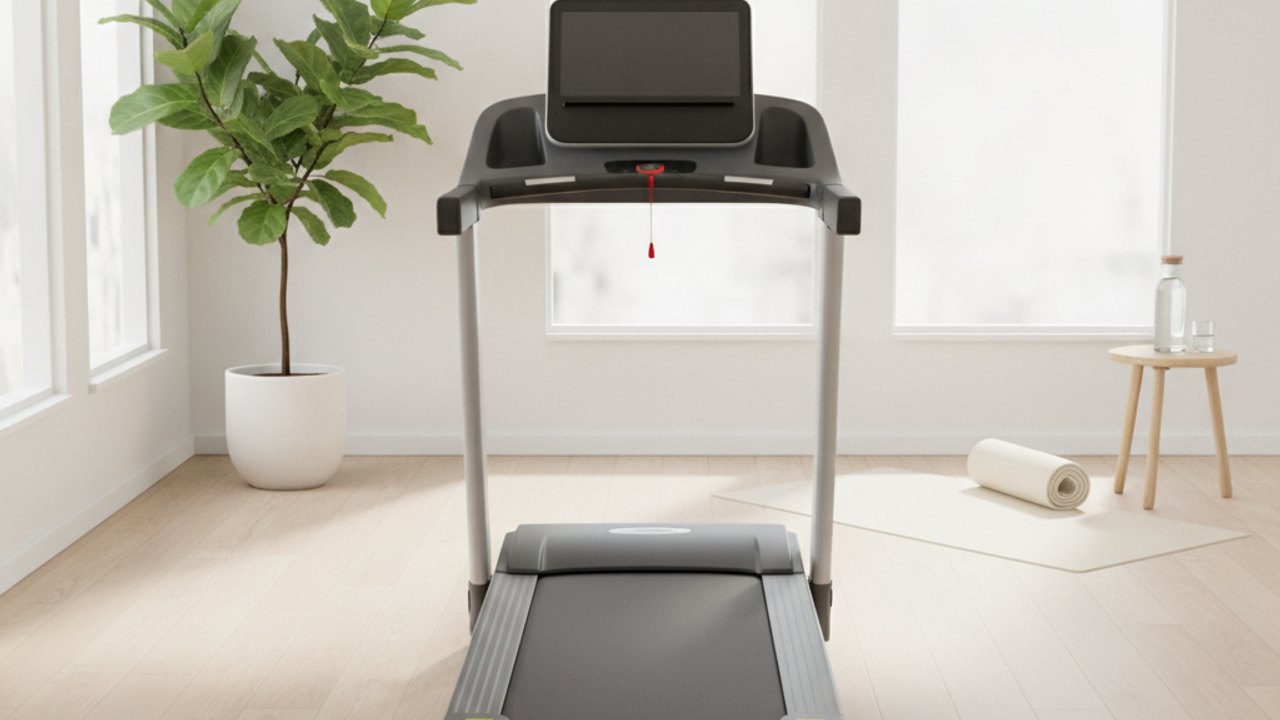
A treadmill at home removes every excuse the British weather invents, letting you walk, jog or run whatever the sky is doing, at any hour, without a gym membership or a drive. The catch is that treadmills range from light folding machines meant for walking up to sturdy running decks that weigh as much as a person, and buying the wrong one is an expensive mistake, because a machine built for a stroll shakes itself apart under a runner, while a serious running deck is overkill and a storage headache for someone who just wants steps. So the honest question is not which treadmill is best, but which one matches how you will actually use it and the space you have.
This guide explains the three things that decide which treadmill suits you, then compares six models genuinely sold on Amazon UK right now, from a compact folding walker up to a premium running machine with training built in. No invented mileage tests, just the trade offs laid out plainly so you buy for how you really train.
The Three Things That Actually Matter
Ignore the headline top speed and look at these three things instead.
- Motor power and what you will actually do. The motor, quoted in continuous horsepower or CHP, decides whether a treadmill copes with your use. Around 1.5 to 2.0 CHP suits walking and light jogging, 2.0 to 2.5 CHP handles regular running, and 3.0 CHP and up is for serious or heavier runners who want a deck that will not strain. The continuous rating matters more than the peak figure, which is a marketing headline. Be honest about whether you are a walker, a jogger or a runner, because buying too little motor is the most common regret.
- Deck size and cushioning, because comfort keeps you using it. A longer, wider running belt lets you run naturally without watching your feet, and taller runners especially need the length. Good cushioning under the deck saves your knees on longer sessions and is the difference between a machine you enjoy and one that punishes you. Walkers can accept a shorter deck, but anyone planning to run should prioritise belt length and cushioning over gimmicks, because a cramped, hard deck is the reason many treadmills end up gathering dust.
- Folding, weight and where it will live. Most home treadmills fold, but there is a big difference between a light machine you tuck under a bed and a heavy running deck that folds upright but barely moves. Check the folded dimensions, the weight, and whether it has transport wheels, and measure your space including the room to run behind it. Incline capability is a genuine bonus that makes walking far more effective and running more varied, so if you have the space and budget, a powered incline earns its keep.
All Six Picks at a Glance
| Pick | Best for | Main use | Typical price band |
|---|---|---|---|
| Citysports Folding Treadmill | Budget walking and jogging | Walk and light jog | £200 to £320 |
| JLL S300 | Best value all-rounder | Jog and run | £350 to £480 |
| Reebok GT30 | Mid-range running | Run | £450 to £650 |
| Mobvoi Home Treadmill Incline | Folding with incline | Walk and run | £450 to £650 |
| Branx Elite Runner Pro | Serious runners | Run and train | £600 to £850 |
| NordicTrack T Series | Premium with training | Run and train | £900 to £1,400 |
Bands are typical Amazon UK prices at the time of writing, quoted as ranges because prices move often.
Our Six Picks for 2026
Citysports Folding Treadmill
Best budget for walking and light jogging
The Citysports folding treadmill is the affordable way to get moving indoors, a compact machine that folds flat to slide under a bed or sofa and sets up in seconds. It is designed for walking and light jogging, has a simple LED display and remote, and some versions double as an under desk walking pad, which suits anyone building steps into a working day. Considerations: the modest motor and shorter belt mean it is a walker and light jogger rather than a runner's machine, the cushioning is basic, and the top speed is limited. For someone who mainly wants to walk indoors, add daily steps, or jog gently on a tight budget and in a small space, it does exactly that for a fraction of a running deck's price. Typical band is around £200 to £320.
View on Amazon UKJLL S300 Folding Treadmill
Best value all-rounder
The JLL S300 has been a UK best seller for years because it hits the value sweet spot, offering a proper running motor, a decently sized cushioned deck and a folding frame at a price that undercuts the big fitness brands. JLL is a British company with good UK support and spares, the deck cushioning is genuinely kind on the knees for the money, and it handles regular jogging and running rather than just walking. Considerations: the incline is manual rather than powered on the standard model, the console and app are basic next to premium machines, and it is a mid weight machine to move despite folding. For most people who want to genuinely run at home without spending premium money, it is the default recommendation and the machine others are measured against. Typical band is around £350 to £480.
View on Amazon UKReebok GT30 Treadmill
Best mid-range running machine
The Reebok GT30 brings a trusted fitness name and a step up in build to the mid range, with a stronger motor, a powered incline and a more substantial cushioned deck than the entry machines. The Reebok branding comes with a solid frame and a clear console with programmes to follow, and the powered incline makes both walking and running far more varied and effective. Considerations: it is heavier and takes more floor space than the budget folders, the app connectivity is simpler than the premium NordicTrack, and at this price you are paying partly for the brand. For someone who runs regularly and wants a powered incline and a sturdier deck without stepping up to premium money, it is a well judged mid range choice. Typical band is around £450 to £650.
View on Amazon UKMobvoi Home Treadmill Incline
Best folding treadmill with a powered incline
The Mobvoi Home Treadmill Incline is the clever space saver that still offers a powered incline, folding remarkably flat while giving you the uphill work that makes walking far more effective and running more varied. It has a quiet motor, a simple display and app, and the fold is genuinely compact for a machine that inclines, which suits a flat or a shared room where the treadmill has to disappear between sessions. Considerations: the belt is on the shorter side for tall runners at speed, the build is lighter than a dedicated running deck, and it is pitched more at walkers and joggers than serious runners. For someone who wants incline training and easy storage in a small home, it is a smart, modern choice. Typical band is around £450 to £650.
View on Amazon UKBranx Fitness Elite Runner Pro Treadmill
Best for serious runners
The Branx Elite Runner Pro is built for people who genuinely run, with a strong continuous motor, a long cushioned running deck and a powered incline that together let you train properly rather than just tick over. It has the sturdier frame and higher top speed a committed runner needs, absorbs the impact of longer sessions well, and Branx is a UK fitness brand focused on home running machines. Considerations: it is a large, heavy machine that folds upright but is a job to move, it costs more than the all rounders, and it is more treadmill than a casual walker needs. For a dedicated runner who wants a proper deck at home to train on all year without a premium badge price, it is the serious runner's value pick. Typical band is around £600 to £850.
View on Amazon UKNordicTrack T Series Treadmill
Best premium with guided training
The NordicTrack T Series is the premium pick that turns a treadmill into a coached experience, pairing a powerful motor and cushioned deck with a screen and the iFit platform of guided runs and trainer led classes that automatically adjust your speed and incline. The build is substantial, the powered incline range is generous, and for people who need motivation to keep going, the guided training genuinely helps. Considerations: getting the most from it means an ongoing iFit subscription, it is a large, heavy premium machine, and the platform matters as much as the hardware, so it suits people who want that guided approach. For the buyer who wants premium build and coached training to stay motivated, and has the budget and space, it is the flagship. Typical band is around £900 to £1,400.
View on Amazon UKWhich One Should You Buy?
Mainly walking or on a budget? The Citysports folding treadmill adds indoor steps and light jogging cheaply in a small space, and the JLL S300 is the value all rounder that steps up to genuine running.
Running regularly? The Reebok GT30 adds a powered incline and sturdier deck, while the Branx Elite Runner Pro is the serious runner's value machine, and the Mobvoi is the folding pick with incline for small homes.
Want premium and guided training? The NordicTrack T Series pairs a premium deck with iFit coached runs, which suits anyone who trains better with guidance and motivation.
Frequently Asked Questions
What motor power do I need in a treadmill?
It depends on how you will use it, and the continuous horsepower rating matters more than the peak figure. Around 1.5 to 2.0 CHP is enough for walking and light jogging, 2.0 to 2.5 CHP suits regular running, and 3.0 CHP or more is for serious or heavier runners who want a deck that will not strain over long sessions. Buying too little motor for your use is the most common regret, because a machine built for walking will struggle and wear quickly under a runner, so match the motor to your real training.
Are folding treadmills sturdy enough to run on?
Many are, but it depends on the machine. Light folding treadmills aimed at walking flex and feel unstable under a runner, while sturdier folding running decks like the JLL S300 or Branx are built to run on and simply fold for storage between sessions. If you plan to run, choose a folding machine with a proper running motor, a long cushioned deck and a solid frame, and check the maximum user weight. If you only walk, a lighter folder is fine and far easier to store.
Do I need a powered incline?
It is a genuine bonus rather than essential. A powered incline makes walking far more effective by raising your effort and heart rate without going faster, and it makes running more varied and closer to outdoor conditions. If your budget and space allow, an incline earns its keep, especially for walkers who want more from each session. A manual incline, adjusted by hand before you start, is a cheaper alternative that many value machines use, and it is perfectly workable if you set it and leave it.
How much space does a treadmill need?
More than the machine's footprint, because you need clear room to run behind it and space to fold and store it. Check both the running dimensions and the folded dimensions, look for transport wheels, and remember that heavier running decks fold upright but barely move, while light folders tuck under a bed. Measure your space including a safety margin behind the belt before buying, as an awkwardly placed treadmill that blocks a room is the reason many end up unused and sold on.
Will a treadmill disturb the neighbours or the room below?
It can, so it is worth planning for. The impact of running transmits through floors, especially in flats, so a good cushioned deck helps, and a treadmill mat underneath reduces both noise and vibration while protecting your floor. Placing it on a solid floor rather than a springy one and running rather than pounding also helps. If noise is a real concern, a machine known for a quiet motor and good cushioning, used with a mat, keeps the disturbance to a minimum for those below and around you.