Work Trouser Sizes Explained: Snickers, Blaklader and EU Sizing
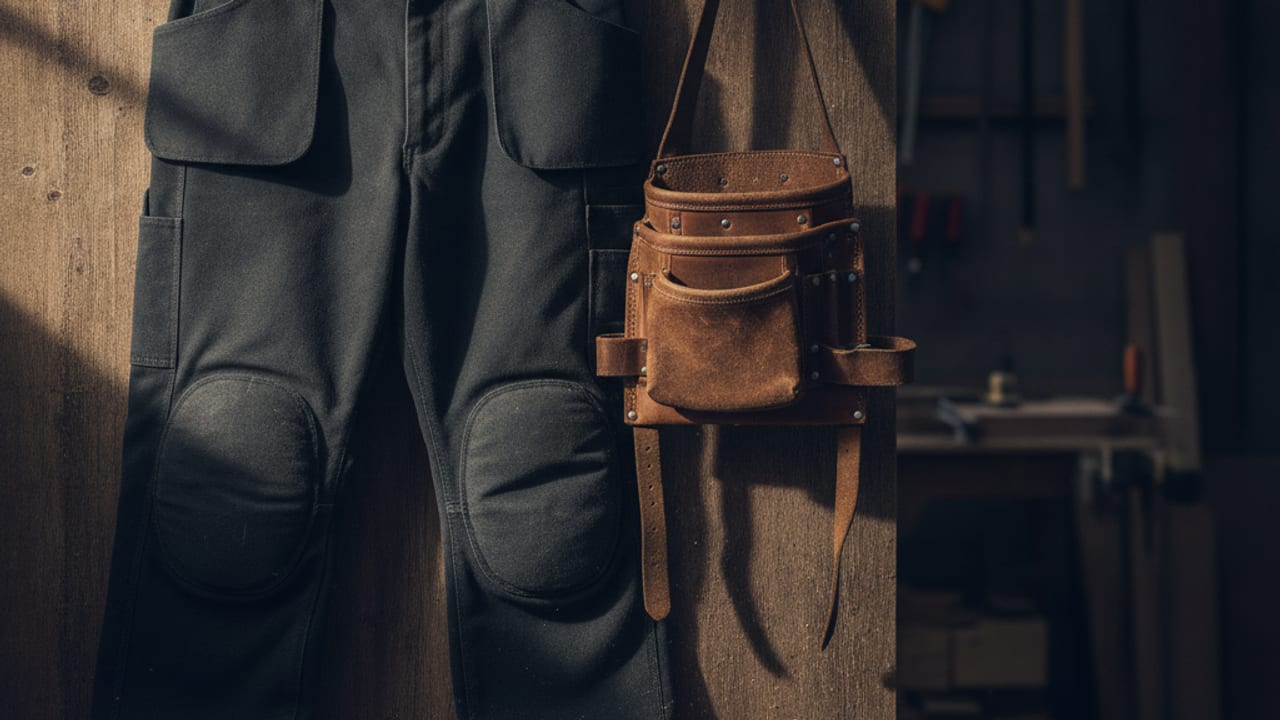
The single most common reason a pair of work trousers gets sent back is sizing, and it is almost always because the buyer read the number on a UK jeans label and expected the same number to mean the same thing on a Swedish or Danish workwear brand. It does not. Snickers, Blaklader, Mascot and the rest use European sizing systems that map onto waist and leg measurements in their own way, and getting the conversion right the first time saves you the return, the reorder and a fortnight working in trousers that do not fit.
This guide explains how the main workwear sizing systems actually work, how to measure yourself properly, and how to read the size charts so you order the right pair once. When you are ready to choose a brand, our best work trousers UK guide compares the cuts, fabrics and knee pad systems side by side.
Why Workwear Sizing Is Not High Street Sizing
High street trousers in the UK are usually sold in inches: a 34 waist and a 32 leg, for example. Workwear brands mostly come from mainland Europe, where trousers have historically been sold on a continental numbering system that bundles waist and leg together into a single number. A Snickers size 50 is not a 50 inch waist, and treating it as one is how people end up ordering something enormous or tiny.
There are broadly three systems you will meet on Amazon UK and in merchants. The first is the European trouser size, a two digit number in the high 40s to low 60s for regular fits. The second is the plain waist and leg in inches or centimetres, which some brands now print alongside the European size to help. The third is the letter size, small to extra large, used mainly on stretch and slim modern cuts where the fabric does a lot of the fitting. Knowing which system a listing uses is the whole battle.
Reading the European Number
The continental trouser number is built from your waist measurement in centimetres, roughly halved, for a regular leg length. A 92cm waist lands near a European 50, a 96cm waist near a 52, and so on up and down in steps of two. It sounds arbitrary until you see the pattern, and once you do you can eyeball a chart quickly.
The catch is leg length. The plain European number assumes a standard inside leg. Most serious workwear brands then offer the same waist in short, regular, tall and sometimes extra tall variants, each with its own number range or a suffix. If you are shorter or taller than average this matters more than the waist, because a knee pad pocket sitting in the wrong place is worse than a waistband an inch out. Always check the leg option, not just the headline size.
Brand by Brand
Snickers
Snickers uses the European numbering system across most of its ranges, with dedicated size charts that convert to waist and leg in both centimetres and inches. Their charts are reliable, so measure yourself, find your waist in centimetres, and read across to the Snickers number for your leg length. Snickers also splits some ranges into slim and regular, and the slim cuts run, as you would expect, closer to the body through the thigh.
Blaklader
Blaklader, a Swedish brand, also uses continental numbers and publishes waist and leg conversions. Blaklader trousers have a reputation for a slightly generous, hard wearing cut, so if you are between sizes and want room for base layers in winter, their charts are honest and sizing up rarely goes wrong. Their tall and short options are well spread, which helps if standard legs never quite work for you.
Mascot
Mascot offers some of the widest choice of leg lengths in the trade, which is exactly why it suits people who struggle to buy off the peg. The trade off is that their range of sizes can look bewildering at first. Use their online size guide, enter your real measurements, and let it point you at the right combination rather than guessing from the number alone.
DeWalt, Site and own brand ranges
Tool brand and merchant own label trousers more often use plain waist and leg in inches, or small to extra large letter sizing on stretch cuts. These are the easiest to buy if you already know your jeans size, but the letter sizes hide a lot of variation between brands, so still check the centimetre chart where one is given.
How to Measure Yourself Properly
Two measurements get you most of the way. For the waist, run a tape around where the waistband will actually sit, which for work trousers is usually on the hip bones rather than a high natural waist, and keep the tape level. For the inside leg, measure from the crotch seam of a pair that already fits well down to where you want the hem to sit over your boots. Do both in centimetres, because that is the language the charts speak, then convert to inches only if the listing asks for it.
Two more checks save grief. Measure over the base layer you will realistically wear, not bare skin, if the trousers are for winter. And if you carry a phone, tape or a knife in thigh pockets, remember that loaded holster pockets pull the waistband down, so a slightly firmer waist fit is usually better than a loose one.
Know your size and ready to choose a brand and cut?
See our best work trousers UK guideStretch, Holster Pockets and Fit
Modern work trousers increasingly use four way stretch panels, and this changes how sizing feels. Stretch fabric forgives a slightly tight waist and moves with you when you crouch, which is why many stretch ranges use simple letter sizes. If you are moving from an old rigid cotton pair to a stretch cut, you often do not need to size up for comfort the way you once did, and sizing up can leave the trousers baggy once the fabric gives.
Holster pockets, the hanging front pockets for nails and fixings, also affect fit. On some cuts they are removable or tuck away, on others they are fixed. If you do not use them, a trouser with tuck away holsters keeps a cleaner line for driving and site meetings. None of this changes your number, but it changes which version of that number you should buy.
Sized up and ready to buy? We have compared the leading brands on cut, fabric and knee pad systems.
Read the best work trousers UK guideFrequently Asked Questions
Is a Snickers size 50 a 50 inch waist?
No. The continental number is not an inch measurement. A Snickers 50 is roughly a 92cm, or about a 36 inch, waist in a regular leg. Always read the brand chart rather than assuming the number is inches, or you will order several sizes too large.
Should I size up for winter work trousers?
Only if you will wear thermal base layers underneath and the trousers are a rigid, non stretch fabric. For four way stretch cuts, stay at your normal size, because the fabric already gives the extra room and sizing up leaves them baggy once loaded.
What if my waist and leg do not match a standard size?
Choose a brand with good short, regular and tall options, such as Mascot or Blaklader. Buy for the harder measurement to fix, which is usually leg length, then adjust the waist with a belt. A waistband an inch loose is fixable, a knee pad pocket in the wrong place is not.
Where should the knee pad pocket sit?
The pocket should place the pad over the front of your kneecap when you kneel, not above or below it. This is set by leg length, so if the pad sits wrong the trouser leg is the wrong length for you, whatever the waist says. It is the clearest sign you need a different leg option.