Pressure Washer Bar Ratings Explained: How Much Power Do You Need?
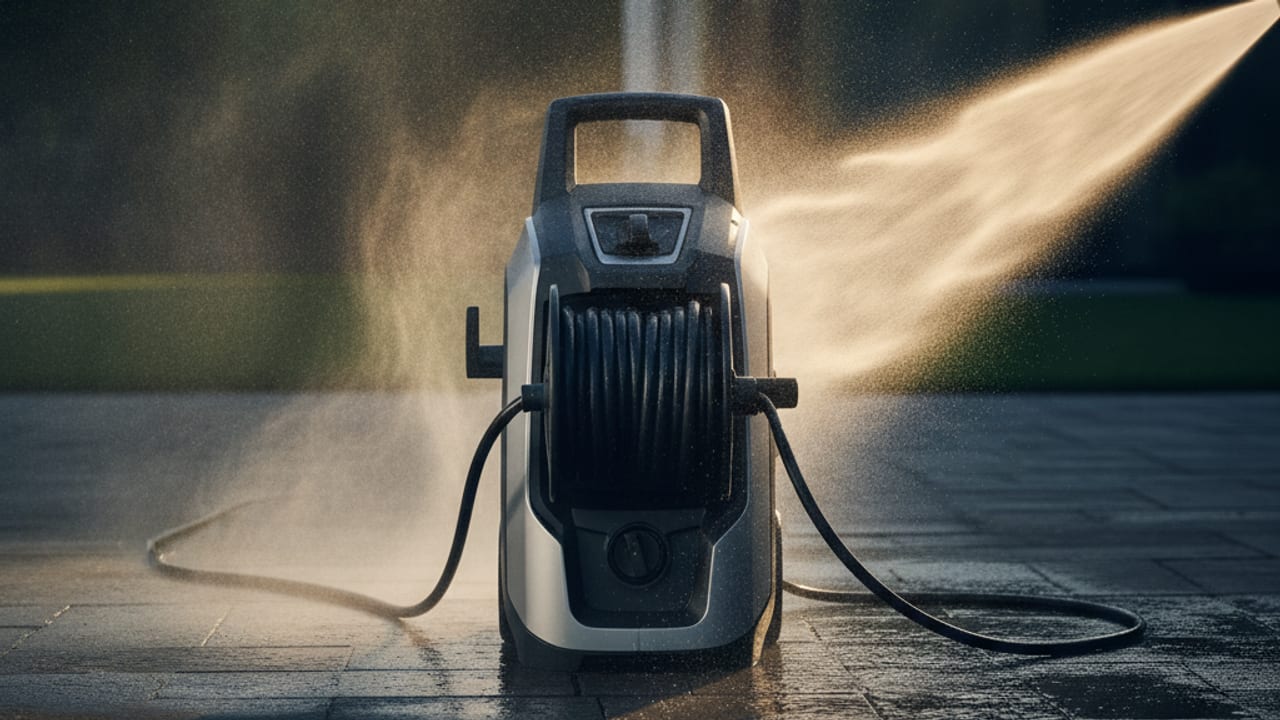
For most UK jobs you need less bar than the adverts suggest: around 100 to 120 bar cleans cars, bikes and garden furniture safely, 120 to 140 bar handles patios, decking and green driveways, and only heavy jobs like large block paved drives or render wash downs justify 140 bar and above.
That is the short answer. The longer answer is that bar is only half the spec that matters, because manufacturers quote it in a way designed to flatter their machines, and because water flow rate does just as much of the cleaning work. This article explains what the numbers really mean, matches bar bands to real jobs, and covers the situations where more pressure actually makes things worse.
What Bar Actually Measures, and the Max Pressure Trick
Bar is a unit of pressure: one bar is roughly the atmospheric pressure around you at sea level. A pressure washer quoting 130 bar is forcing water out of the nozzle at 130 times that, which is what blasts algae off slabs and grime off wheels.
Here is the catch. Most brands headline the maximum pressure, a brief peak the pump can hit, rather than the working pressure the machine sustains while you actually clean. Working pressure typically sits 10 to 30 percent below the headline number. One machine advertising 140 bar max may clean no better than another quoting 125 bar working pressure. When you compare models, dig into the specification table for the working figure, and be suspicious of very cheap machines shouting very big numbers, because an unsustainable peak from a lightweight pump is the easiest spec in the industry to inflate.
Flow Rate: The Spec the Adverts Bury
Pressure dislodges dirt; water flow carries it away. Flow rate is quoted in litres per hour, and it is the difference between a machine that strips a patio in clean confident stripes and one that loosens the muck then leaves it sitting there.
A rough but genuinely useful way to compare machines is to multiply pressure by flow. A 120 bar machine moving 420 litres per hour shifts more grime per minute than a 140 bar machine moving 330. This is exactly why the mid range machines from the established brands often outclean cheaper rivals with bigger bar numbers on the box, and why petrol machines, with their big flow rates, make such short work of large areas.
As a rule of thumb for UK electric machines: around 300 to 360 litres per hour is entry level, 400 to 450 is solid mid range, and 500 plus is high end electric or petrol territory. If you regularly clean large areas, weight your decision toward flow at least as much as pressure.
How Much Bar for Each Job
| Job | Sensible pressure band | Notes |
|---|---|---|
| Cars, bikes, garden furniture | 100 to 120 bar | More risks damage; use a wide fan and keep your distance from paint |
| Patios, decking, paths | 120 to 135 bar | A patio cleaner attachment matters more than extra bar |
| Block paving, large driveways | 130 to 150 bar | Higher flow saves serious time; expect to re-sand joints after |
| Render, walls, wheelie bins, guttering | 120 to 140 bar | Test a hidden patch on render; soft surfaces mark easily |
| Farm kit, plant, big commercial areas | 150 bar plus or petrol | Flow and duty cycle matter more than headline pressure |
Notice how narrow the real range is. Almost everything a UK homeowner or tradesperson cleans falls between 100 and 150 bar, which is exactly the band the popular mid range electric machines occupy. That is not a coincidence; the market converged on what works.
We compared six pressure washers genuinely worth buying in the UK, from dependable mid range machines to heavy use and petrol options.
See the best pressure washers UKWhen More Bar Makes Things Worse
Pressure washing damage is common enough that some professional cleaners advertise fixing it. Too much pressure, or the wrong nozzle too close, causes real problems:
- Mortar and pointing. A tight jet aimed at the joints between slabs or bricks will excavate them. Old lime mortar is especially vulnerable. Keep the fan wide and the wand moving.
- Soft brick and render. Older bricks can spall and render can be scarred, leaving marks that never weather out. Always test somewhere hidden first at the widest setting.
- Car paint and trim. Modern clearcoat tolerates a fan pattern at a sensible distance, but a turbo nozzle up close can chip edges, force water past seals and shred old trim.
- Timber decking. High pressure furs up the grain, turning smooth boards fuzzy. Use a wide fan, modest pressure and work along the grain.
- Block paving joints. Any effective clean will strip some jointing sand. Plan to brush kiln dried sand back in afterwards, whatever machine you use.
The professional habit worth copying is to start wide and far away, then step the intensity up until the surface comes clean, rather than opening at full blast. Accessories do more than raw power here too: a rotating patio cleaner head keeps the pressure consistent and splash contained, and cleans a driveway in a fraction of the time a bare lance takes.
A Quick Buying Checklist
Beyond the two headline numbers, four things separate a machine you will enjoy for years from one that ends up at the tip:
- Working pressure and flow rate together, from the spec table rather than the box art.
- Accessory ecosystem. Patio heads, foam bottles, drain rods and, crucially, spare o-rings and lances. The big brands win here, which is worth real money over the machine's life.
- Hose length and storage. A short hose means dragging the machine around; a machine that will not store its own cables and lance tidily gets left in the shed and seizes up.
- Metal versus plastic pump internals. At the budget end, pump quality is where the cost was cut, and it is the component that fails first.
Already know your pressure band? Our guide matches real machines to each type of user, with honest trade offs for every pick.
Read our best pressure washers UK guideFrequently Asked Questions
Is a higher bar rating always better?
No. Beyond what the job needs, extra pressure mostly adds risk of surface damage, plus cost and weight. Cleaning speed on big areas comes as much from flow rate and a patio cleaner attachment as from pressure. Match the band to your jobs and spend any spare budget on flow and accessories.
What bar do I need to clean a car safely?
Around 100 to 120 bar is plenty. Use the widest fan nozzle, keep the lance a good arm's length from the paint, and never use a turbo or pencil nozzle on bodywork. A snow foam attachment and two bucket wash after loosening the dirt gives a better finish than pressure alone.
Why does my new washer clean worse than the bar number suggests?
Usually one of three reasons: the headline was maximum rather than working pressure, the flow rate is low so loosened dirt is not being carried away, or the tap supply is restricting the machine. Check the working pressure spec, and make sure your hose and tap deliver enough water for the pump.
Electric or petrol for driveways?
A good 130 to 150 bar electric machine with a patio head handles most domestic driveways fine, just not quickly on very large ones. Petrol earns its keep for big areas, regular paid work, or anywhere without a convenient socket, at the cost of noise, servicing and weight.