Best Bean-to-Cup Coffee Machines UK 2026: Six Picks Compared
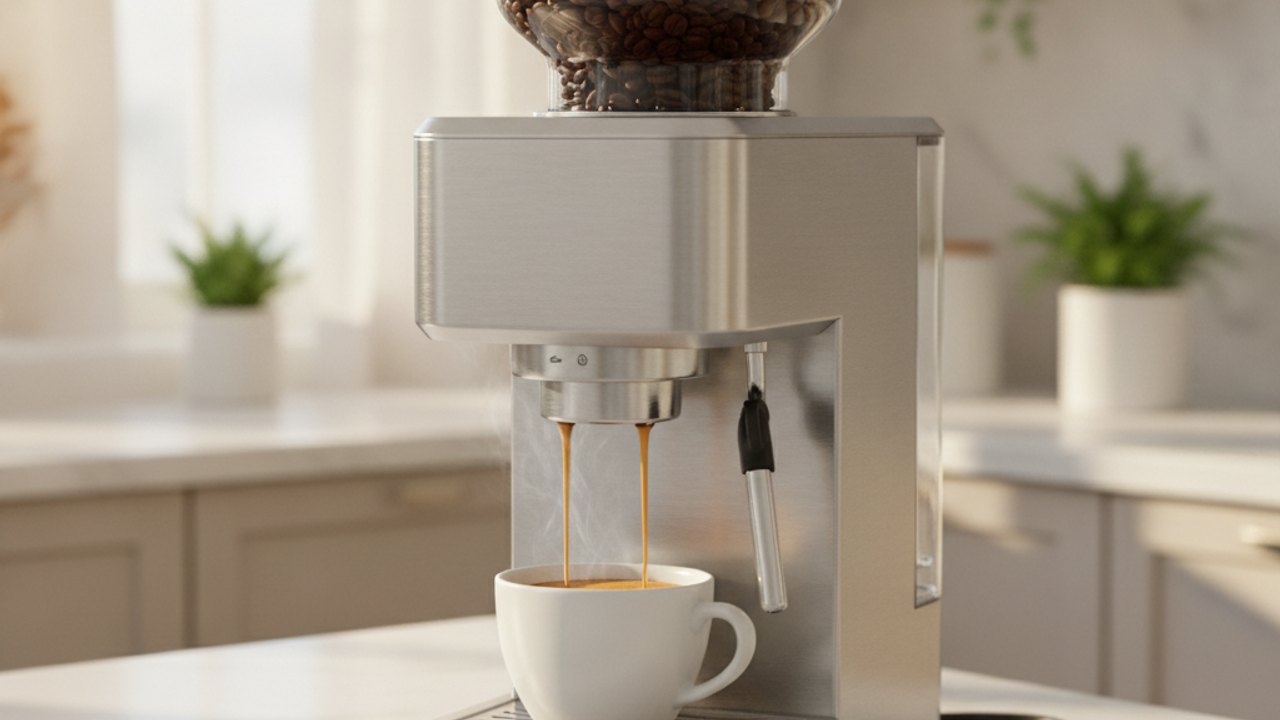
A bean-to-cup machine is the coffee lover's dream of a cafe on the worktop with none of the skill, because it grinds fresh beans, doses, tamps, brews and often froths the milk at the touch of a button, then cleans its own brew unit. For a busy household that gets through a lot of coffee, it is transformative: fresh ground coffee every time with no portafilter to wrestle and no mess. The catch is that these machines run from three hundred pounds to well over a thousand, and the differences are as much about the milk system and the cleaning as the coffee, so the honest question is how many milk drinks you make and how much you will pay for convenience.
This guide explains the three things that decide which bean-to-cup machine suits you, then compares six models genuinely sold on Amazon UK right now, from a keen value machine up to a premium Swiss automatic. No invented tasting notes, just the trade offs laid out plainly so you buy the machine that matches your morning.
The Three Things That Actually Matter
Ignore the number of drink presets on the front and look at these three things instead.
- The milk system, because it decides your daily drink. If you drink flat whites, lattes and cappuccinos, the milk system matters more than anything, and machines split into three approaches. A manual steam wand gives the best, most characterful froth but asks a little effort, an automatic carafe system froths at the touch of a button and lifts out to store in the fridge, and a simple milk tube froths automatically with less finesse. Decide honestly whether you mostly drink black coffee, in which case milk barely matters, or milk drinks, in which case buy for the carafe or wand.
- How easy it is to clean, because you will do it daily. Every bean-to-cup machine needs the milk system rinsed after use and the brew unit and drip tray kept clean, and this is where owners either love or resent their machine. Look for a removable brew unit you can rinse under the tap, an automatic milk rinse cycle, and dishwasher safe milk parts. A machine that makes cleaning a chore gets used less, so the easy clean models genuinely earn their place, especially in a busy kitchen.
- The grinder and the bean hopper. A quality burr grinder with adjustable settings lets you dial the coffee to your taste and beans, and a sensible hopper size means fewer refills. Steel or ceramic burrs grind consistently, and a quiet grinder is a genuine morning bonus in an open plan home. Most machines at this level grind well, but the adjustment range and grinder noise vary, so it is worth checking rather than assuming they are all the same.
All Six Picks at a Glance
| Pick | Best for | Milk system | Typical price band |
|---|---|---|---|
| De'Longhi Magnifica Start | Best value entry | Manual wand | £250 to £330 |
| De'Longhi Magnifica Evo | All-round with milk carafe | Carafe or wand | £350 to £450 |
| Philips Series 3200 LatteGo | Easy milk drinks | LatteGo carafe | £350 to £500 |
| Melitta Caffeo Solo | Compact and black coffee | None (espresso focus) | £300 to £430 |
| De'Longhi Eletta Explore | Drink variety and cold brew | Automatic carafe | £600 to £850 |
| Jura ENA 8 | Premium Swiss automatic | Fine foam frother | £900 to £1,200 |
Bands are typical Amazon UK prices at the time of writing, quoted as ranges because prices move often.
Our Six Picks for 2026
De'Longhi Magnifica Start Bean-to-Cup Coffee Machine
Best value way into bean-to-cup
The Magnifica Start is the machine that made fresh ground automatic coffee affordable, and for many households it is all the machine they ever need. It grinds fresh, pulls a genuinely good coffee, has a manual steam wand for milk drinks, and keeps things simple with clear controls and an easily removable brew unit you rinse under the tap. De'Longhi's spares and service network in the UK is a real reassurance. Considerations: the manual wand asks a little practice for latte art, it has fewer one touch presets than the pricier models, and the plainer design is functional rather than a showpiece. For a first bean-to-cup machine, a household that wants fresh coffee without fuss, or anyone testing whether automatic coffee suits them, it is the value benchmark. Typical band is around £250 to £330.
View on Amazon UKDe'Longhi Magnifica Evo Bean-to-Cup Coffee Machine
Best all-rounder with a milk carafe
The Magnifica Evo is the sweet spot in the range, adding one touch milk drinks and a smarter interface to the proven Magnifica formula. Versions with the LatteCrema carafe froth cappuccinos and flat whites automatically and lift out to store in the fridge, while the wand versions keep it manual, so you choose your milk approach. It grinds fresh, has plenty of drink options, and the brew unit still pops out for easy cleaning. Considerations: the carafe versions cost more than the Start, the milk system is a step behind the premium machines for the very finest microfoam, and the drink menu, while generous, is not endless. For most households that want proper milk drinks at the touch of a button without overspending, it is the machine to buy. Typical band is around £350 to £450.
View on Amazon UKPhilips Series 3200 LatteGo Bean-to-Cup Coffee Machine
Best for easy, tidy milk drinks
The Philips Series 3200 with the LatteGo milk system is the machine to buy if you hate cleaning milk parts, because the LatteGo carafe is just two pieces with no tubes, froths a good cappuccino automatically, and rinses in seconds or goes in the dishwasher. It grinds fresh with ceramic burrs, has clear one touch drink buttons, and the whole thing is designed to be low effort day to day. Considerations: the LatteGo froth is convenient and good rather than the absolute finest microfoam, the ceramic burr grinder is a touch louder than some, and the plastic build is practical rather than premium. For a busy family kitchen that makes a lot of milk drinks and wants the least cleaning, it is the standout. Typical band is around £350 to £500.
View on Amazon UKMelitta Caffeo Solo Bean-to-Cup Coffee Machine
Best compact machine for black coffee drinkers
The Melitta Caffeo Solo is the slim answer for people who mostly drink black coffee and want a narrow machine that fits a tight worktop. At around twenty centimetres wide it takes up little space, grinds fresh with an adjustable burr grinder, and makes an excellent espresso, lungo or long black with simple controls and a genuinely quiet grind. Melitta is a respected German coffee name. Considerations: the plain Solo has no milk system, so latte drinkers need the Solo and Milk or Barista versions instead, the small footprint means smaller bean and water tanks, and the drink menu is deliberately simple. For a black coffee household, a small kitchen, or anyone who values a narrow, quiet machine, it is the compact specialist. Typical band is around £300 to £430.
View on Amazon UKDe'Longhi Eletta Explore Bean-to-Cup Coffee Machine
Best for drink variety and cold brew
The Eletta Explore is De'Longhi's do everything machine, with a huge menu of hot and cold drinks including proper cold brew and iced coffees, and an automatic milk carafe that froths hot and cold milk to different textures. It grinds fresh, has a large colour screen with saveable profiles for each person in the house, and genuinely covers everything from a morning flat white to an iced latte in summer. Considerations: it is a large, premium priced machine that dominates a worktop, the sheer number of options is more than some people will ever use, and it needs regular cleaning like any milk machine. For a household of different coffee tastes, keen iced coffee drinkers, or anyone who wants one machine that does it all, it is the versatile flagship of the range. Typical band is around £600 to £850.
View on Amazon UKJura ENA 8 Bean-to-Cup Coffee Machine
Best premium Swiss automatic
Jura is the Swiss name that sits at the top of the bean-to-cup world, and the ENA 8 brings that engineering into a surprisingly compact, beautifully finished machine. It uses Jura's fine foam frother and pulse extraction to make genuinely excellent coffee and milk drinks, the build quality and materials feel a class above, and it runs quietly with intelligent automatic cleaning that keeps maintenance minimal. Considerations: it costs as much as three of the value machines, Jura's beans and cleaning supplies are a premium ecosystem, and its drink menu, while excellent, is more focused than the sprawling De'Longhi Eletta. For the buyer who wants the finest automatic coffee, a machine that looks and feels premium, and Swiss build to keep for years, it is the flagship. Typical band is around £900 to £1,200.
View on Amazon UKWhich One Should You Buy?
Want the best value? The De'Longhi Magnifica Start makes fresh ground coffee with a milk wand for a keen price, and the Magnifica Evo adds one touch milk drinks for a little more.
Make a lot of milk drinks? The Philips Series 3200 LatteGo froths automatically and cleans in seconds, which is the least fuss for a busy family kitchen.
Want variety or premium? The De'Longhi Eletta Explore covers hot and cold drinks for a house of different tastes, while the Jura ENA 8 is the premium Swiss machine for the finest coffee and build. The Melitta Caffeo Solo is the compact pick for black coffee drinkers.
Frequently Asked Questions
What is the difference between a bean-to-cup and an espresso machine?
A bean-to-cup machine is fully automatic: it grinds, doses, tamps, brews and often froths the milk at the touch of a button, then cleans its own brew unit, so there is almost no skill or mess involved. A traditional espresso machine gives you manual control over grinding, tamping, the shot and the milk, which is where the very best results and the craft live, but there is a learning curve and more effort. Choose bean-to-cup for convenience and consistency, and an espresso machine if you enjoy the ritual and want to learn.
How much cleaning does a bean-to-cup machine need?
A little every day and a deeper clean periodically. After making milk drinks you rinse the milk system, which the better machines do with an automatic cycle, and you empty the grounds container and drip tray regularly. The brew unit needs rinsing, and the machine needs descaling on a schedule that depends on your water hardness. Machines with a removable brew unit and dishwasher safe milk parts make this genuinely quick, which is why easy cleaning is worth prioritising, since a machine that is a chore to clean gets used less.
Which milk system should I choose?
It depends on how many milk drinks you make. If you mostly drink black coffee, the milk system barely matters and a simple machine or manual wand is fine. If you make lots of cappuccinos and lattes, an automatic carafe system like De'Longhi's LatteCrema or Philips LatteGo froths at the touch of a button and lifts out to store in the fridge, which is the least effort. A manual steam wand gives the best, most characterful froth but asks practice. Buy for the drink you make most.
Are bean-to-cup machines worth the money?
For a household that drinks a lot of coffee, usually yes, because a daily cafe coffee costs far more over a year than the machine, and fresh ground coffee at home is genuinely better than pods or instant. The value depends on use: a machine making several drinks a day for a family pays for itself and delivers real convenience, while for one occasional coffee a week a simpler brewer makes more sense. Factor in the cost of beans, filters and descaler, which are modest next to buying coffee out.
Can I use my own beans, and does the grind setting matter?
Yes, you use whole beans of your choice, which is a big part of the appeal, and the grinder setting genuinely affects the result. A finer grind gives a stronger, slower extraction and a coarser grind a milder, faster one, so adjusting it to your beans and taste is worth doing once you settle on a coffee. Most machines let you tweak the grind and the strength, and a little experimentation early on dials it in. Buying fresh beans and keeping them sealed makes more difference to the cup than almost anything else.
Buying for someone else this Christmas? Our coffee gifts guide matches six machines to the person you are buying for.