How Do Heated Jackets Work and What Do They Cost to Run?
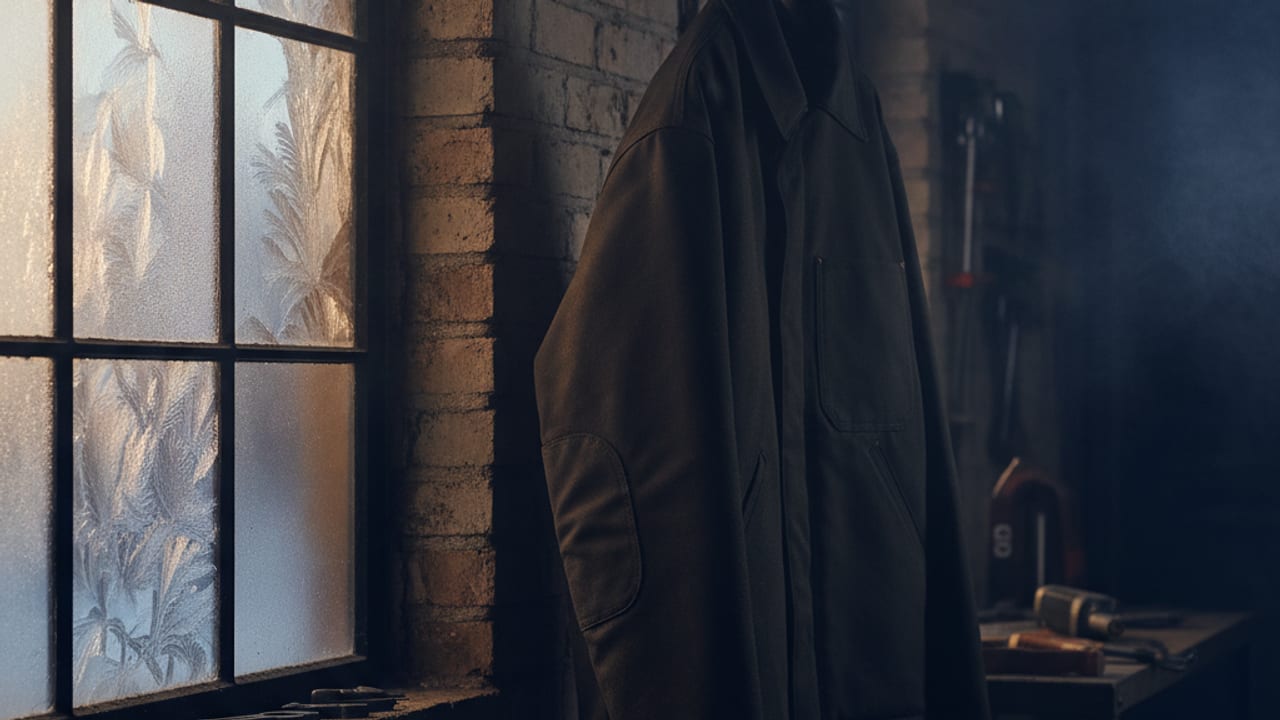
A heated jacket works by running a small battery through thin heating elements sewn into the chest, back and sometimes the collar. The elements warm up like a very gentle electric blanket, a button cycles through heat settings, and the whole thing runs on safe low-voltage power. Running costs are tiny: a full recharge of the battery typically costs around 2 to 3p at current UK electricity prices.
That is the short answer. The longer answer is worth five minutes, because the difference between a jacket that keeps you warm through a January shift and a lukewarm disappointment comes down to how it is powered, how many heat zones it has, and how you use the settings. This guide explains the technology plainly, does the running-cost maths honestly, and covers the practical stuff like washing.
What Is Actually Inside a Heated Jacket
Strip the fabric away and a heated jacket is a simple circuit. Flexible heating elements, usually made from carbon fibre strips or fine steel-fibre mesh, are sewn flat into panels at the key heat-loss points on your torso: the left and right chest, the middle of the back, and on better jackets the collar, pockets or lower back too. The elements are thin enough that you cannot feel them through the lining, and flexible enough to survive being scrunched into a van seat.
When current passes through the elements they resist it slightly, and that resistance produces heat, the same principle as an electric blanket or a car's rear window demister. A small controller behind a glowing button on the chest manages the power and gives you three or four settings, usually colour coded red for high through to green or blue for low.
Two design points matter more than any marketing claim. First, the number and placement of heat zones: a jacket that only heats the middle of your back warms the jacket, not you, whereas chest panels plus back plus collar make a noticeable difference on a cold morning. Second, the controller: decent jackets include an overheat cut-off and a preheat mode that runs on full for a few minutes then drops back automatically, which stops you cooking the battery on high all day out of habit.
Power Banks vs Tool Batteries
Every heated jacket is powered one of two ways, and this choice shapes everything else about how the jacket performs.
USB power banks (5V)
Most casual and mid-price heated jackets have a cable in an inside pocket that plugs into an ordinary USB power bank, the same one you would use to charge a phone. The advantages are obvious: power banks are cheap, light, easy to replace, and you can top up your phone from the same unit. The trade-off is output. USB delivers 5 volts, so these jackets typically draw somewhere around 5 to 10 watts, which is fine for taking the edge off a dog walk or a touchline but modest for a full day outdoors in real cold.
Tool-brand batteries (12V to 20V)
Work-focused heated jackets from the tool brands, in the style of Makita, DeWalt and Milwaukee, take the same battery as your drill, clipped into a holster or adapter in a back pocket. Running at 12 to 20 volts, they can push more power through the elements, usually up to around 15 to 20 watts on high, so they get warmer, faster, and stay warm in conditions that would defeat a USB jacket. If you already own tools on one of these platforms, the batteries are already in your van, which is a genuine everyday advantage. The downside is weight: an 18V 5Ah battery is a noticeable lump compared with a slim power bank.
| USB power bank jacket | Tool battery jacket | |
|---|---|---|
| Voltage | 5V | 12V to 20V |
| Typical draw | Around 5 to 10W | Around 10 to 20W on high |
| Warmth | Takes the edge off | Genuinely warm in real cold |
| Weight in pocket | Light | Heavier, sits in the back |
| Best for | Walks, spectating, commuting | Site work, outdoor trades, long days |
Already decided a heated jacket is for you? We have compared the models genuinely worth buying in the UK this winter.
See our best heated jackets guideWhat Does a Heated Jacket Cost to Run?
This is where heated jackets quietly make their case, because the honest answer is: pennies. The maths is simple enough to do on the back of an envelope.
A typical 20,000mAh power bank stores around 74 watt-hours of energy, which is 0.074 kWh. At the 2026 UK price cap reference of around 27p per kWh, recharging it from completely flat costs around 2p, perhaps closer to 2.5p once you allow for charging losses. An 18V 5Ah tool battery holds around 90 watt-hours, so a full charge costs around 2 to 3p. Even if you flattened a big battery every single working day through a five-day week, you would spend somewhere around 10 to 15p a week on warmth.
For context, running a 2kW fan heater in a workshop costs around 54p per hour at the same rate. A heated jacket heats the person rather than the room, which is why it wins so decisively on cost: you are powering 15 watts against someone else's 2,000. For anyone working in an unheated unit, garage or barn through a British winter, the jacket is one of the cheapest sources of warmth you can buy, full stop.
How Long Does the Battery Last?
Runtime depends on two things: how much energy the battery holds and which setting you run. Honest ranges, rather than the best-case figures on the box, look like this.
- High: a few hours, typically around 2 to 4 depending on battery size. High is best treated as a preheat and a top-up for the coldest spells, not a setting you live on.
- Medium: roughly 4 to 8 hours. This is where most people settle once the jacket has warmed through.
- Low: most of a working day, often around 8 to 12 hours with a decent battery. Because the jacket also works as an insulated garment, low is usually enough once you are moving.
The technique everyone learns within a week: run high for ten minutes as you arrive on site, then drop to low and let the insulation hold the heat in. Used that way, a single battery comfortably sees out a shift. If you are on a tool platform, carrying the spare battery you already own doubles that without buying anything.
What to Look For, and How to Wash One
A short buying checklist, learned from the common complaints:
- Heat zones: look for chest panels plus back as a minimum; a heated collar is a bigger comfort upgrade than it sounds.
- Battery compatibility: if you already own DeWalt, Makita or Milwaukee tools, a jacket that takes those batteries saves money and hassle. If not, USB keeps things simple and cheap.
- Sizing: a heated jacket works best close to the body with room for one thin layer underneath. Size for that, not for a jumper and a hoodie, or the heat never reaches you.
- Controller and safety: everything runs at safe low voltage, well below anything that could harm you, but you still want a proper controller with an overheat cut-off rather than a bare switch.
- Washing: almost all heated jackets are machine washable. Take the battery out, tuck the connector into its pocket, wash on a gentle cycle and let it air dry. The elements survive washing fine; tumble dryers and wringing are what kill them.
As for who they actually suit: outdoor trades and site workers are the obvious case, but the same jacket earns its keep for dog walkers, anglers, football-watching parents on frozen touchlines, and anyone who spends winter evenings in an unheated workshop or garage. If your winter involves standing still in the cold for long stretches, a heated jacket solves a problem that another fleece never quite does.
Ready to pick one? Our UK guide compares power bank and tool battery models with honest trade-offs on warmth, runtime and price.
Compare the best heated jackets UKFrequently Asked Questions
Are heated jackets safe to wear in the rain?
Generally yes. The elements run at low voltage, far below anything dangerous, and the panels are sealed within the lining. Most work jackets have a water-resistant shell and are fine in normal British drizzle. The vulnerable point is the battery connection, so keep the battery in its zipped pocket and do not submerge the jacket or wear it in a sustained downpour with the battery exposed.
Can I use any power bank with a USB heated jacket?
Mostly, yes. Any standard USB power bank will physically work, but capacity and output matter. A 10,000mAh bank gives roughly half the runtime of a 20,000mAh one, and some jackets warm up noticeably better from a bank that supports 2A or higher output. Check the jacket's stated requirement before buying a bank specifically for it.
Do heated jackets drain tool batteries quickly?
No, the opposite. A jacket drawing around 15 watts on high sips power compared with a drill or saw, which pull hundreds of watts in bursts. An 18V 5Ah battery that might last an hour of hard drilling can run a jacket on low for the better part of a working day.
Is a heated jacket cheaper than heating my workshop?
By a huge margin, if you only need to keep yourself warm. A jacket costs around 2 to 3p per battery charge, while a 2kW electric heater costs around 54p per hour at around 27p per kWh. Over a winter of daily use the jacket costs a few pounds in electricity; the heater can run to hundreds. The heater only wins if several people share the space or your work needs the room itself above freezing.