Best Wine Coolers UK 2026: Six Picks Compared
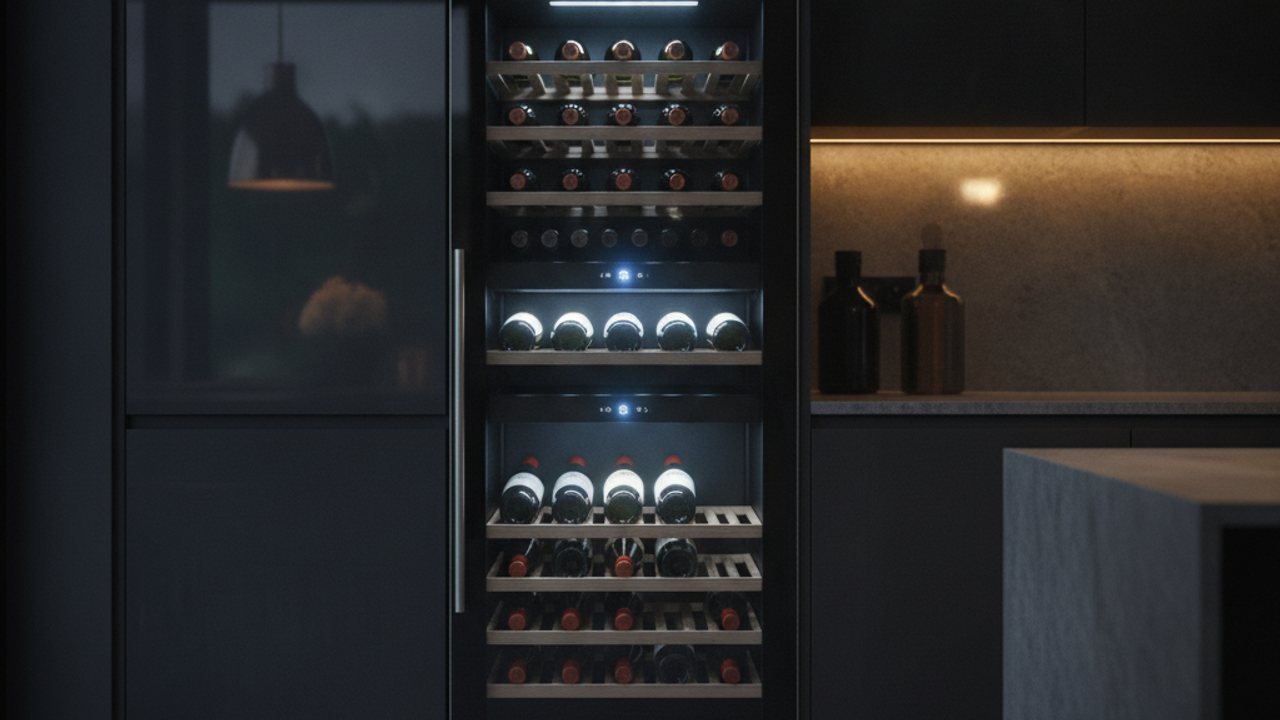
A wine cooler is one of those buys where the listing photo tells you almost nothing useful. Every one of them shows a glass door, a soft blue light and a neat row of bottles, and they all look the part. What the photo hides is the stuff that decides whether you are happy a year later: how many bottles it really holds once they are normal shapes, whether it can hold a cold enough temperature in a warm kitchen, and whether it hums quietly in the corner or buzzes through the evening. Buy on looks alone and it is a lottery.
This guide explains the three things that genuinely decide whether a wine cooler is worth the counter space, then compares six sold on Amazon UK right now, from a compact 16 bottle chiller for a first collection to a dual zone cabinet that keeps reds and whites at their own temperatures. No invented tasting panels, just the trade offs so you buy the one that fits your kitchen, your bottles and how seriously you take your wine.
The Three Things That Actually Matter
Ignore the styled photos and think about these three things instead.
- Real capacity and where it will stand, because the bottle count is optimistic. The headline number is measured with slim Bordeaux bottles packed perfectly, so a cooler rated for twenty bottles holds noticeably fewer once you add fat Champagne, Burgundy or New World bottles, and fewer again if you want the shelves out for standing bottles up. Just as important is placement: a freestanding cooler vents from the back or sides and needs air gaps around it, while a built in or undercounter model vents from the front so it can slot flush into a run of kitchen units. Measure the gap, then buy for the bottles you actually own rather than the number on the box.
- Thermoelectric or compressor cooling, because this is the real dividing line. Cheaper coolers use quiet thermoelectric cooling, which has no moving compressor so it is near silent and cheap to run, but it can only pull the inside down to roughly ten to fifteen degrees below room temperature, so in a warm kitchen or a hot summer it struggles to reach proper serving temperatures. A compressor cooler works like a fridge, holding a genuinely cold and stable temperature whatever the room does and reaching lower settings for whites and sparkling, at the cost of a gentle hum and a little more energy. For a cool utility or a few everyday bottles, thermoelectric is fine, but for serious storage or a warm room, a compressor is worth it.
- Single or dual zone, because reds and whites want different temperatures. A single zone cooler holds every bottle at one temperature you set, which is perfectly good if you mostly drink one style or treat it as chilled storage. A dual zone cooler splits the cabinet into two independently controlled sections, so you can keep reds around a cellar temperature in one and whites or fizz properly cold in the other, which matters if your collection is mixed. Dual zone costs more and the two smaller sections each hold fewer bottles, so only pay for it if you genuinely drink both and want them serve ready. If you do, it is the feature that turns a fridge into a wine cooler.
All Six Picks at a Glance
| Pick | Best for | Cooling | Typical price band |
|---|---|---|---|
| Subcold Viva16 | First collection | Thermoelectric, 16 bottle | £100 to £150 |
| Russell Hobbs 12-Bottle | Small kitchens | Thermoelectric, 12 bottle | £90 to £150 |
| Baridi 20-Bottle Freestanding | All round value | Compressor, 20 bottle | £150 to £230 |
| Baridi 28-Bottle Dual Zone | Reds and whites | Compressor, dual zone | £200 to £320 |
| Klarstein Larger Cabinet | Growing collections | Compressor, 24 to 46 bottle | £230 to £400 |
| Cookology Undercounter | Built in kitchens | Compressor, built in | £250 to £450 |
Bands are typical Amazon UK prices at the time of writing, quoted as ranges because prices move often.
Our Six Picks for 2026
Subcold Viva16 Wine Cooler
Best for a first collection
The Subcold Viva16 is the wine cooler most people should start with, a compact 16 bottle chiller that stands on a worktop or slots beside the units and looks far more expensive than it costs. Subcold is one of the biggest cooling brands on Amazon UK, the near silent thermoelectric cooling suits a bedroom, study or quiet kitchen, and touch controls with a soft interior light make it feel premium. Considerations: like all thermoelectric coolers it works best in a cooler room and will struggle to reach the coldest whites on a hot day, the 16 bottle rating assumes slim bottles, and it is chilled storage rather than a deep chiller. For a first proper home for a small collection, it is the sensible, good looking starting point. Typical band is around £100 to £150.
View on Amazon UKRussell Hobbs 12-Bottle Wine Cooler
Best for small kitchens
The Russell Hobbs 12 bottle cooler is the pick for anyone who wants a trusted high street brand name in a tight space, a slim thermoelectric chiller that tucks into a corner or onto a counter without dominating the room. Russell Hobbs is a household name with strong Amazon UK support and easy servicing, the glass door and interior light suit a kitchen where the cooler is on show, and quiet running means it disappears into the background. Considerations: twelve bottles is genuinely modest so it suits a light drinker rather than a collector, thermoelectric cooling wants a room that is not too warm, and the fixed shelves limit taller bottles. For a small kitchen and a reassuringly familiar brand, it is the easy, low commitment choice. Typical band is around £90 to £150.
View on Amazon UKBaridi 20-Bottle Freestanding Wine Cooler
Best all round value
The Baridi 20 bottle cooler is the value sweet spot for most homes, because it steps up to proper compressor cooling that holds a cold, stable temperature whatever the kitchen does, at a price close to the thermoelectric coolers above it. Baridi is a specialist chilling brand with a big Amazon UK range, the compressor reaches a genuine spread from cellar temperature to properly cold whites, and a digital touch display with a low energy rating makes it easy to live with day to day. Considerations: a compressor gives a gentle hum that thermoelectric coolers avoid, twenty bottles again assumes slim shapes, and it is a single zone so every bottle sits at one temperature. For the buyer who wants dependable cooling without the dual zone premium, it is the one to beat. Typical band is around £150 to £230.
View on Amazon UKBaridi 28-Bottle Dual Zone Wine Cooler
Best for reds and whites
The Baridi 28 bottle dual zone is the pick when you drink both reds and whites and want them serve ready, splitting the cabinet into two independently controlled sections so one holds reds near cellar temperature while the other keeps whites and fizz properly cold. Baridi builds a lot of these dual zone coolers for Amazon UK, the compressor keeps both zones stable through a warm summer, and the larger 28 bottle body gives a mixed collection room to breathe. Considerations: the two zones each hold fewer bottles than the headline number suggests, dual zone costs more than a single zone of the same size, and it wants ventilation gaps as a freestanding unit. For a mixed collection that you actually serve from rather than just store, this is the natural upgrade. Typical band is around £200 to £320.
View on Amazon UKKlarstein Larger Wine Cabinet
Best for growing collections
The Klarstein wine cabinet is the step up for a collection that keeps growing, a taller compressor cooler in capacities from the mid twenties up towards fifty bottles, often with dual zones and full length glass doors that look like a piece of furniture. Klarstein specialises in these larger coolers on Amazon UK, the bigger body and wooden shelving suit someone laying bottles down for a while, and the compressor holds serious storage temperatures reliably. Considerations: it is a large appliance that needs real floor space and ventilation, the top capacities assume slim bottles so plan for fewer, and it draws more power than a compact counter cooler. For a buyer who has outgrown a small chiller and wants room to expand, it is the one that grows with the collection. Typical band is around £230 to £400.
View on Amazon UKCookology Undercounter Wine Cooler
Best for built in kitchens
The Cookology undercounter cooler is the pick for a fitted kitchen, a compressor model with front venting so it slots flush under a worktop in a standard appliance gap rather than standing out in the room. Cookology is a familiar Amazon UK kitchen appliance brand, the front vent is the detail that makes a true built in installation possible where freestanding coolers cannot go, and the reversible glass door suits either handed runs of units. Considerations: it must have a front vent to be built in safely so check that specifically, installation means measuring the aperture accurately, and undercounter models trade some capacity for the flush fit. For anyone planning wine storage into a kitchen rather than adding it on top, it is the one that disappears into the design. Typical band is around £250 to £450.
View on Amazon UKWhich One Should You Buy?
A first, small collection? The Subcold Viva16 is the good looking, near silent place to start, and the Russell Hobbs 12 bottle squeezes a trusted brand into the tightest kitchens.
Want dependable cooling that copes with a warm room? The Baridi 20 bottle gives you proper compressor cooling at a keen price, and the Baridi 28 bottle dual zone adds separate temperatures for reds and whites.
A bigger or built in setup? The Klarstein cabinet gives a growing collection room to expand, and the Cookology undercounter slots flush into a fitted kitchen thanks to its front vent.
Frequently Asked Questions
How many bottles does a wine cooler really hold?
Fewer than the label, usually. Manufacturers rate capacity using slim standard Bordeaux bottles stacked perfectly, so a cooler sold as twenty bottles holds noticeably fewer once you add fatter Champagne, Burgundy or New World bottles, or once you take a shelf out to stand bottles upright. As a rough rule, plan for around three quarters of the headline number for a real world mix. If the exact count matters, buy a size up from what you think you need, because a cooler that is always full struggles to circulate air.
What is the difference between thermoelectric and compressor wine coolers?
Thermoelectric coolers have no compressor, so they are near silent and cheap to run, but they can only chill to roughly ten to fifteen degrees below room temperature, which means they can struggle to reach cold serving temperatures in a warm kitchen or a hot summer. Compressor coolers work like a fridge, holding a genuinely cold and stable temperature whatever the room does and reaching lower settings for whites and sparkling, at the cost of a gentle hum. Choose thermoelectric for a cool room and a few everyday bottles, and compressor for serious storage or a warm space.
Can I build a freestanding wine cooler into my kitchen units?
Only if it is designed for it. A freestanding cooler vents from the back or sides and needs air gaps around it, so boxing one into a run of units traps the heat and can cause it to overheat or fail. A built in or undercounter cooler vents from the front, which is what lets it sit flush under a worktop safely. If you want an integrated look, buy a model that specifically says built in or front venting, and follow the ventilation clearances in the manual rather than guessing.
What temperature should a wine cooler be set to?
It depends on what you drink. As a general guide, full bodied reds are served around sixteen to eighteen degrees, lighter reds a touch cooler, whites around eight to twelve degrees and sparkling wines colder still at around six to eight degrees. A single zone cooler makes you pick one compromise temperature for everything, which is fine if you mostly drink one style, while a dual zone lets you hold reds and whites at their own settings at the same time. For long storage rather than serving, many people set a steady cellar temperature of around twelve degrees.
A wine cooler only disappoints when it is bought on looks rather than fit. Be honest about the bottles you own, choose thermoelectric for a cool room or compressor for real cooling power, and only pay for dual zone if you genuinely drink both reds and whites. Get that right and it is a quietly satisfying upgrade that pays you back every time you pour a glass at the right temperature. Prices and stock on Amazon UK change often, so check the current figure on the day.