Best VR Headsets UK 2026: Six Picks Compared
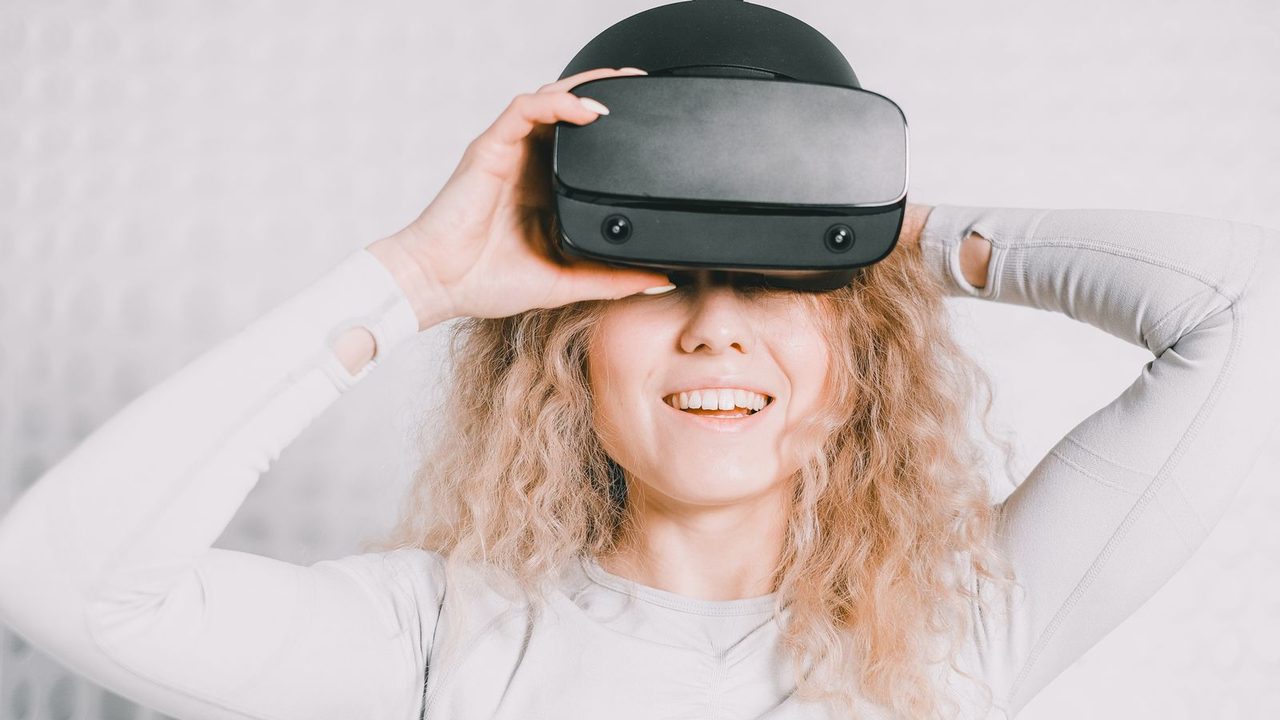
A VR headset is one of the few Christmas presents that still makes people gasp the first time they put it on. The best of 2026 are standalone computers you simply pick up and play, no gaming PC or cables needed, with sharp screens, comfortable controllers and a huge library of games and fitness apps. The market on Amazon UK is led by Meta's Quest range, with Sony's PlayStation VR2 for console gamers and a handful of credible alternatives, and prices now start at a level that makes VR a realistic gift rather than a luxury.
This guide explains the three things that decide which VR headset suits your home, then compares six genuinely sold on Amazon UK right now, from a keen standalone starter up to premium headsets. No hype, no invented benchmark scores, just the trade offs laid out plainly so you buy the right one first time.
The Three Things That Actually Matter
Ignore the spec-sheet jargon and match these three things to how it will be used.
- Standalone versus tethered. This is the big divide. A standalone headset like the Meta Quest has the computer built in, so you pick it up and play anywhere with no PC and no wires, which is why it is the easy choice for most families and the better gift. A tethered headset such as PlayStation VR2 plugs into a console or PC for more graphical power but needs that hardware and a cable. For most buyers, standalone is the right answer; only buy tethered if you already own the console or a gaming PC.
- Comfort, fit and glasses. VR is only fun if it is comfortable, because a headset that presses on your face or feels front-heavy gets left in the box. Look at the weight and how it balances, whether the strap is a simple elastic band or a more supportive fitted one, and whether it has room or a spacer for glasses. If several people will share it, easy adjustment matters. A comfortable headset gets used; an uncomfortable one does not, whatever its screen specs.
- Library, storage and what you will actually do. Decide what it is for. Gaming, fitness apps that turn exercise into a game, watching films on a giant virtual screen, or social hangouts all exist, and the Meta Quest library is by far the largest. Check the storage size if you want lots of big games installed, and remember most of the fun needs space to move, so a clear couple of square metres helps. Match the headset's library and storage to how it will really be used.
All Six Picks at a Glance
| Pick | Best for | Type | Typical price band |
|---|---|---|---|
| Meta Quest 3S | Best value standalone and best gift | Standalone | £290 to £330 |
| Meta Quest 3 | Best standalone for sharpness and mixed reality | Standalone | £470 to £550 |
| PlayStation VR2 | Best for PS5 console gamers | Tethered to PS5 | £400 to £530 |
| Meta Quest 3S 256GB | Best for a big games library | Standalone | £370 to £410 |
| HTC Vive / Focus | Premium and business use | Standalone / PC | £500 and up |
| Pico standalone headset | Alternative standalone option | Standalone | £250 to £450 |
Bands are typical Amazon UK prices at the time of writing, quoted as ranges because prices move often, especially around Black Friday and Christmas.
Our Six Picks for 2026
Meta Quest 3S
Best value standalone and the easiest gift
The Quest 3S is the headset most people should buy and the one that makes the best present. It is fully standalone, so there is nothing to plug in, it runs the enormous Meta Quest library of games, fitness and apps, and it brings full-colour mixed reality that blends virtual objects into your real room. Set-up takes minutes and the controllers are intuitive enough for a first-timer. Considerations: the screens are a step below the pricier Quest 3, the base storage fills up if you install lots of big games, and like all VR it needs a clear space to play. For the money, it is the standout way into good VR and the obvious gift. Typical band is around £290 to £330.
View on Amazon UKMeta Quest 3
Best standalone for sharpness and mixed reality
The Quest 3 is the step up for someone who wants the best standalone experience. It has noticeably sharper screens than the 3S, slightly better lenses and the strongest mixed reality on a headset you can buy and play anywhere, which makes games and apps look crisper and more immersive. It runs the same vast library and needs no PC. Considerations: it costs significantly more than the 3S for a difference most casual users will not notice, the battery still limits long sessions, and you will likely want a better strap for comfort. For an enthusiast or a keen gamer who wants the sharpest standalone VR, it is the one to get. Typical band is around £470 to £550.
View on Amazon UKPlayStation VR2
Best for PlayStation 5 owners
If there is a PS5 in the house, the PlayStation VR2 is the headset to consider. It plugs straight into the console for graphical power a standalone headset cannot match, with a vivid OLED display, clever eye tracking and controllers with advanced haptics, running a strong line-up of polished console VR games. Considerations: it needs a PS5, so it is not a standalone gift on its own, it connects by a cable, and the game library, while high quality, is smaller than Meta's. For a committed PlayStation gamer who wants the most cinematic VR experience and already owns the console, it is the clear pick. Typical band is around £400 to £530.
View on Amazon UKMeta Quest 3S 256GB
Best for a big games and apps library
The larger-storage Quest 3S is the sensible choice for anyone who plans to install plenty of big games and apps rather than a handful. It is the same excellent, easy, standalone headset as the base 3S, with the same full-colour mixed reality and the whole Meta library, but with room to keep a proper collection installed without constantly deleting and re-downloading. Considerations: it costs a little more than the base model, the screens are still the 3S rather than the sharper Quest 3, and it is the storage, not the experience, that changes. For a keen user or a shared family headset that will fill up fast, the bigger drive is money well spent. Typical band is around £370 to £410.
View on Amazon UKHTC Vive Headset
Best premium and business-leaning option
HTC's Vive range is the premium, more specialist choice, aimed at enthusiasts and business users who want high-end visuals and build quality and are willing to pay for it. Depending on the model it offers standalone use or high-fidelity PC-tethered VR, strong comfort and a serious feel, and HTC has a long track record in the space. Considerations: it is among the most expensive options, some models lean towards PC or professional use rather than plug-and-play gaming, and the consumer game library is smaller than Meta's. For someone who wants premium hardware or a business application rather than the easiest family gift, it is worth a look. Typical band is around £500 and up depending on model.
View on Amazon UKPico Standalone VR Headset
Best standalone alternative to Meta
Pico is the main standalone alternative to the Meta Quest, offering a self-contained headset with no PC needed, decent screens and comfortable controllers, often at a competitive price. For someone who would rather not buy into the Meta ecosystem, it is a credible option with its own store of games and apps and solid hardware. Considerations: the app and game library is smaller than Meta's, availability and support in the UK are not as broad, and software updates come less often. For a buyer who specifically wants a standalone headset outside the Meta world, Pico is the alternative worth comparing. Typical band is around £250 to £450 depending on model.
View on Amazon UKWhich One Should You Buy?
Buying a gift or a first headset? The Meta Quest 3S is the easy answer: fully standalone, the biggest library, full-colour mixed reality and the best value, with the 256GB version if it will fill up with big games.
Want the sharpest standalone VR? The Meta Quest 3 steps up the screens and lenses for an enthusiast who wants the best headset you can pick up and play anywhere.
Already own a PS5, or want an alternative ecosystem? The PlayStation VR2 gives console gamers the most cinematic experience, while HTC Vive and Pico are the premium and standalone alternatives to Meta.
Frequently Asked Questions
Do I need a gaming PC or console to use a VR headset?
Not for the ones most people should buy. Standalone headsets like the Meta Quest and Pico have the computer built in, so you simply put them on and play with no PC, console or cables, which is why they make the best gifts. You only need extra hardware for tethered headsets: the PlayStation VR2 needs a PS5, and some HTC Vive models connect to a gaming PC. For a plug-and-play gift, choose a standalone headset.
Is a VR headset a good gift for children?
They are hugely popular with older children and teenagers, but check the age guidance. Headset makers generally recommend VR for ages 10 or 13 and up, partly because the headsets are sized for adult faces and partly as a general caution, and it is sensible to supervise early use, set comfortable session lengths and clear a safe play space. For a younger child, treat it as a shared family activity rather than a solo gift. For teenagers and adults it is one of the most exciting presents around.
How much space do you need to use VR at home?
Less than people expect for many games, but a clear area helps. A couple of square metres of space with no furniture, pets or low ceilings to catch your hands is enough for most room-scale games, and plenty of seated or standing experiences need even less. The headsets draw a safety boundary you set up, warning you before you reach the edge. Clear a sensible space, and you are ready; you do not need a dedicated games room.
Can VR headsets be used for fitness as well as games?
Yes, and it is one of the best reasons to own one. There are excellent apps that turn boxing, rhythm games and workouts into genuinely sweaty exercise you actually look forward to, and many owners use their headset as much for fitness as for gaming. The Meta Quest library has the widest choice of fitness titles. If you want VR partly to keep active, factor in a washable facial interface, since fitness sessions get warm.
What is mixed reality, and does it matter?
Mixed reality uses cameras on the headset to show your real room with virtual objects placed into it, rather than closing you off in a fully virtual world. It lets you see your surroundings while playing, pin a virtual screen to your real wall, or blend games into your living room, and it makes the headset feel safer and more flexible to use. The Meta Quest 3 and 3S do this in full colour. It is a genuinely useful feature rather than a gimmick, and worth having on any headset you buy today.